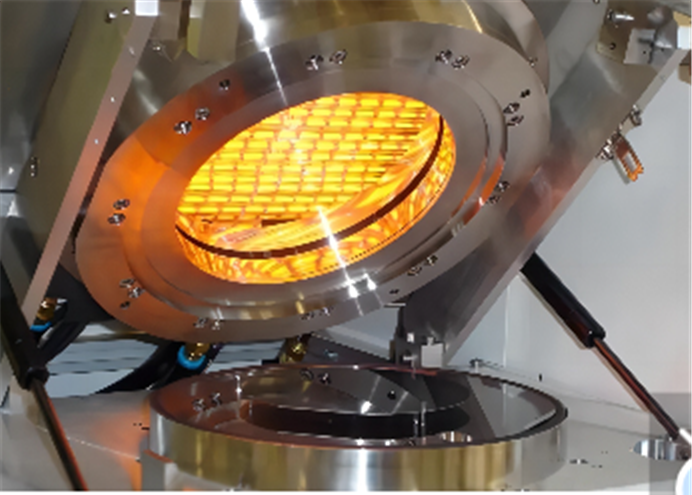
Why Infrared Curing is the Way to Go for Lead-Free Drying
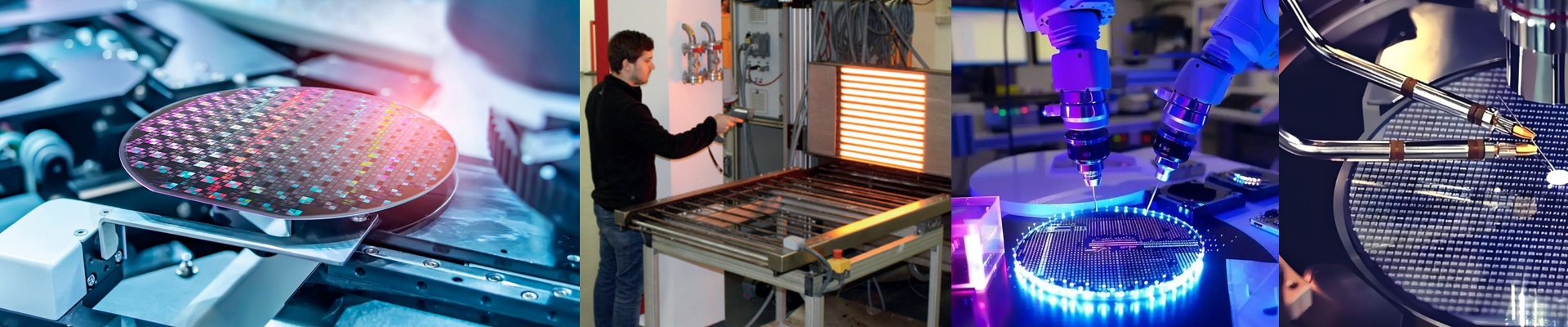
When you’re updating clean room gear, going “lead-free” or “eco-friendly” usually feels like a box you have to check for compliance. But it’s actually about something bigger. It’s about getting rid of those nasty VOCs and stopping the drying cycle from eating up so much power. That’s where infrared (IR) curing comes in. Instead of using those massive convective ovens that just blow hot air and chemicals around the room, you’re using light.
How it actually works
Think about it this way: hot air ovens have to heat up the entire room’s atmosphere before the part even feels it. It’s slow and wasteful. IR is different. The energy moves via electromagnetic radiation. It goesstraightinto the substrate or the photoresist layer. The air around it stays relatively chill. Because you aren’t fighting the atmosphere, you don’t need those giant, noisy ventilation systems. You hit your curing temperature almost instantly. It’s fast. Really fast. And that changes everything for your cycle times.
Getting those lead-free specs right
Back in the day, we relied on lead-based stabilizers or harsh solvents to get things to dry evenly at lower temperatures. Not exactly great for the planet (or the people in the fab). With IR, we can spike the temperature to exactly where it needs to be, very quickly. This is the secret to making lead-free solder pastes and green resins actually bond. They’re picky about their thermal profiles, and IR gives them exactly what they want. The cool part? We can tune the wavelength to target specific absorption bands. It’s like a laser focus—you cure the chemicals completely without accidentally cooking the wafer.
The catch (because there’s always one)
Now, I won’t tell you it’s just “plug and play.” IR is powerful, but it can be temperamental. Since the heat is so intense and localized, a tiny mistake in your conveyor speed or lamp distance can lead to scorched wafers or thermal warping. It’s a bit of a balancing act. You’ll want to be really picky about your PID controllers and sensors so you don’t overshoot the mark. But once you’ve got it dialed in? Your energy bills drop, the hazardous fumes vanish, and you’ve replaced a bulky, old-school drying tunnel with something much leaner.