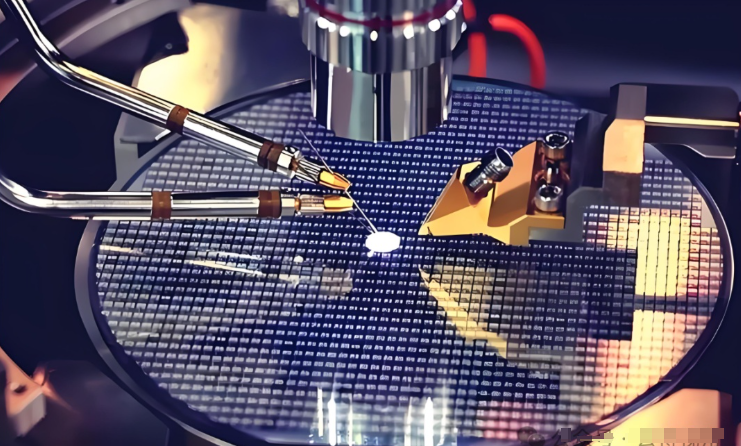
Cutting Carbon in the Fab: Why IR Heating Actually Works
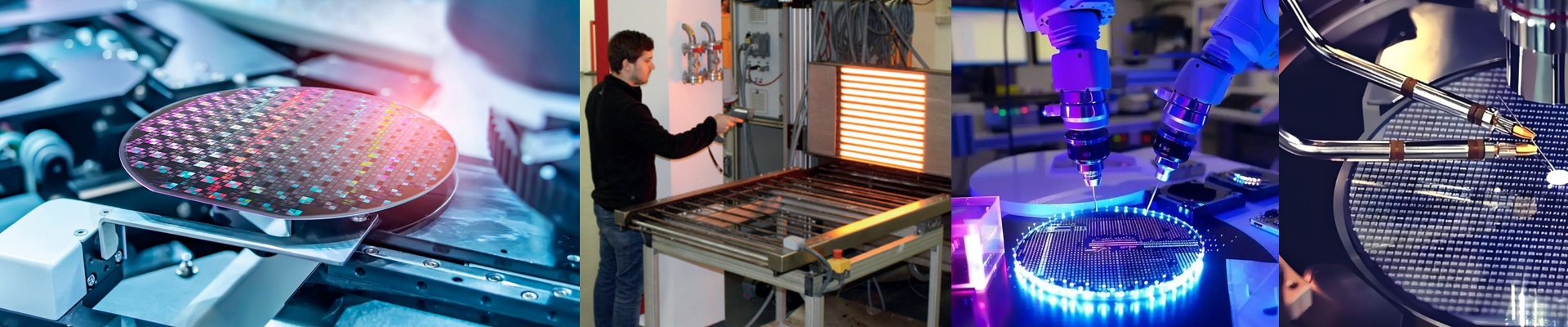
If we’re serious about hitting carbon neutrality in semiconductor fabs, we have to stop wasting energy. Think about those old-school convection ovens and resistive heaters. They’re basically space heaters for the whole room. They leak heat everywhere, which means your HVAC system has to work overtime just to keep the cleanroom from turning into a sauna. It’s a vicious cycle. We fix this by switching to infrared (IR) heating. Instead of heating the air, we target the wafer.
Stop Heating the Air
Here is the thing about IR lamps: they use electromagnetic waves. They don’t bother heating up the chamber walls or the air around them. The energy goes straight into the wafer or the substrate. It’s fast. Really fast. We’re talking about cutting warm-up times from minutes down to seconds. When you slash that ramp-up time, your total power bill per wafer lot drops significantly.
The Nitty-Gritty on Thermal Load
Because shortwave IR lamps pack so much punch, you don’t need a massive footprint. You can ditch those bulky heating jackets and use a tight focal point instead. Your thermal response is almost instant. It’s perfect for those high-precision baking or curing cycles where every second counts. But you have to be careful with the power density. If you just crank the wattage to speed things up, you’ll end up with hot spots on your wafer. That’s where the real work happens—tuning your PID controllers to the specific emissivity of your materials so you don’t overshoot your target temperature.
Making it Work in the Real World
Nobody wants a system that’s a nightmare to maintain. That’s why we build these for quick swaps. We use quartz envelopes and standard connectors. When a lamp eventually burns out, you just pop it out and drop in a new one. No need to spend hours recalibrating the whole line. Now, I’ll be honest: IR isn’t a magic wand for every single process. You have to rethink your chamber geometry. If your parts have weird shapes, you’ll run into “shadowing,” where some spots don’t get any heat. You’ll need to get creative with how you arrange your lamp arrays to make sure the coverage is dead-even across the whole surface.