
Stopping Dust in Your Fab Drying Process
If you’re running a Class 100 cleanroom, you already know the drill: one tiny speck of dust or a bit of outgassing, and your whole batch is toast. Most standard heating elements are a nightmare here. They flake. They peel. They leak volatiles right onto your work. That’s why we stick with high-purity synthetic quartz for our IR lamps. It’s chemically inert, which is just a fancy way of saying it doesn’t react with anything. Your wafers stay clean, and your substrates stay pure. Simple as that.
Why the Quartz Matters
We use a high-purity silica envelope because it can take a beating. When you crank up the heat for a fast-dry cycle, most materials freak out and crack. Not this stuff. It expands evenly. We also stripped out all the organic binders and cheap fillers. Why? Because the last thing you want is “smoke” or microscopic dust drifting down onto your surface the moment the lamp hits operating temperature.
Built to Stay Clean
The real trick is in the seal. We use specialized electrodes and vacuum-sealed ends so that no filament oxidation ever leaks into your fab air. No cheap glues. No shortcuts. Everything is either fused together or mechanically locked in place. One heads-up, though: keep an eye on your power density. These high-wattage IR lamps pack a lot of heat into a small space. If you push them too hard without enough airflow, your support brackets might start to warp. Just make sure your cooling fans can actually handle the total heat load of the array.
Getting Them Into Your Workflow
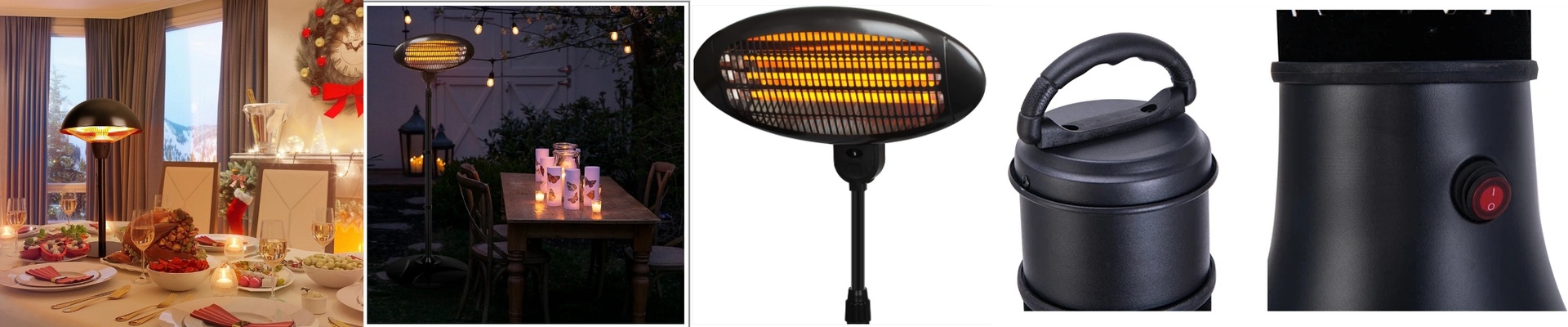
The best part? These lamps are basically drop-in replacements for your standard IR heaters. They use short-wave radiation that sinks deep into the substrate, drying it from the inside out. It’s fast. Really fast. And that means you move more product through the line without worrying about compromising your cleanroom. Just a tip: hook them up to a stable PID controller. It stops those annoying voltage spikes from burning out your filaments before their time.