Introduction
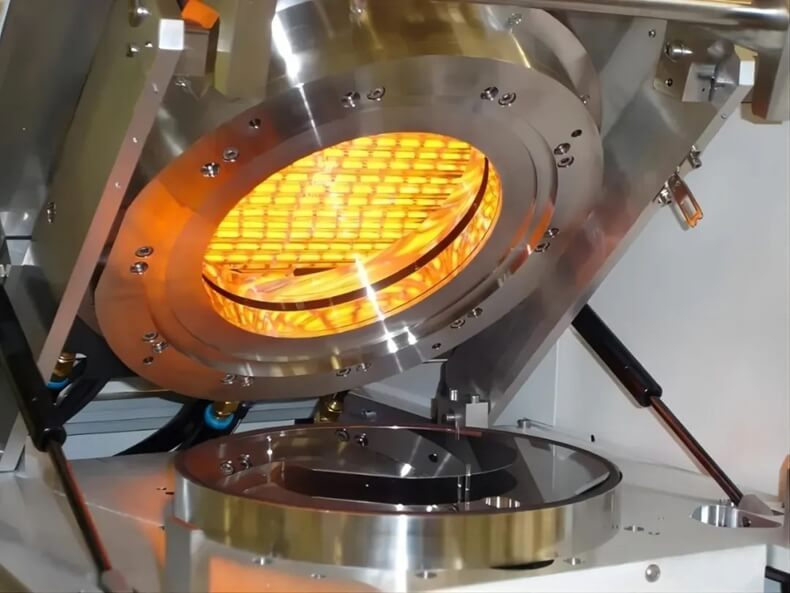
We built this carbon fiber infrared lamp for one simple reason: get the heat where it matters—on the wafer—not wasted on the surrounding air. It’s all about squeezing every watt of power into usable, targeted warmth. And that changes everything. You get faster ramp-ups, more precise temperature control, and you stop wasting money on energy that doesn’t do the job.
Technical Deep-Dive
Here’s the heart of it: this lamp packs serious heat into a small footprint. We matched the voltage and wattage so the output stays predictable—no surprises, no drifting temps mid-run. The 300mm length gives you a tight, focused heating zone. You hit the target cleanly, without spilling energy onto the rest of the tool. Control is the name of the game. When your process window is measured in seconds, you need a heat source that responds instantly to setpoint changes. And because the electrical design keeps losses low, almost all the power you put in comes out as radiant heat.
Material & Design
The secret? The reflector is coated in high-efficiency gold. It grabs infrared energy and reflects it with serious precision across the target wavelengths. That means the beam stays tight, directional, and focused. The result? Less stray heat. Better uniformity across the wafer surface. The carbon fiber elements fire up fast and stay steady, even when you’re cycling quickly. The quartz envelope keeps the element protected while handling high temperatures without blinking. And we topped it off with an R7s connector so the lamp slides straight into existing fixtures. Seriously—just a straight swap. No rewiring. No redesign.
Application & Benefits
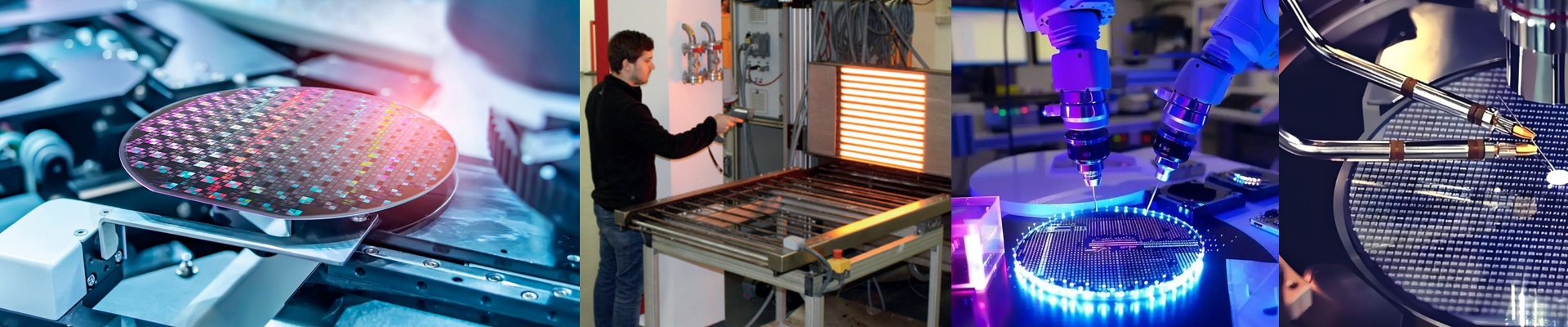
When you’re processing wafers, you need heat that hits fast, stays rock-solid, and shows up the same way every time. This lamp does exactly that by concentrating radiant energy right where you need it. That focus cuts down on wasted heat and helps you shorten cycle times. Now, a heads-up: the wattage density is high, so your machine needs to be ready for the heat load. Make sure your cooling and shielding are up to the task. But if you can handle the thermal output, you get a clean, controllable heat source that just keeps performing—shift after shift.