Keeping Your Class 100 Cleanroom Actually Clean (While Heating Things Up)
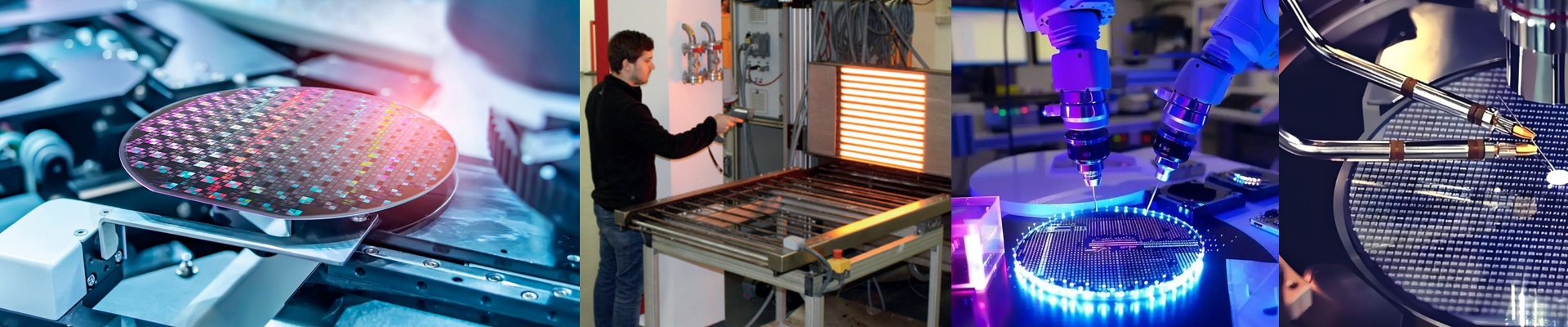
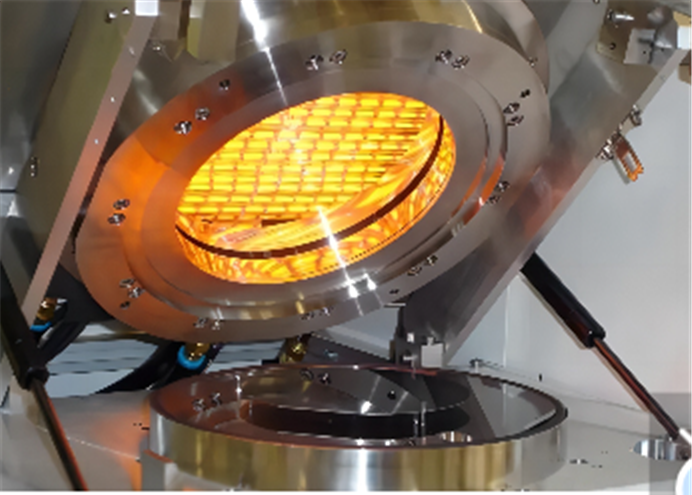
When you’re working in a Class 100 environment, you can’t afford a single speck of dust. Just one tiny flake or a bit of outgassing from a heater, and your wafers or optical components are trash. It’s a nightmare. That’s why we stick with high-purity synthetic quartz infrared lamps. They’re built specifically for bench-top work where “almost clean” isn’t good enough.
Why the Quartz Matters
We use fused silica quartz with high OH- content. In plain English? This stuff doesn’t break down or spit out microscopic particles when it gets screaming hot. And since these IR lamps use radiation to move heat, you don’t have to worry about forced air blowing dust all over your workpiece. No fans, no wind, no contamination. The quartz envelope is sealed tight to stop the filament from oxidizing. We keep the purity levels high so the tube stays clear and doesn’t crack when you’re cycling the temperature up and down.
Getting the Setup Right
Depending on how much space you have on your bench, we can tweak the wattage and voltage. If you go for a high-wattage density tube, you get a smaller, more focused heating zone. Just a heads-up: make sure your power supply can handle that initial hit of inrush current, or you’ll have a problem. We use standard connectors, so these usually just drop right in. But here is a big one:**use Teflon-coated leads.**Please. If you use standard PVC insulation, it’ll melt and off-gas the second it gets warm, and you’ll contaminate your entire cleanroom in minutes.
The Honest Trade-offs
Look, high-purity quartz is a beast with heat, but it’s brittle. It can’t take a mechanical hit. One clumsy move during installation and you’ve got a broken tube. Also, these lamps focus heat into a very tight beam. If you aren’t careful, you’ll bake your bench surface. I always recommend a dedicated heat sink or some reflective backing. It pushes the energy toward your part and keeps your equipment frame from overheating.