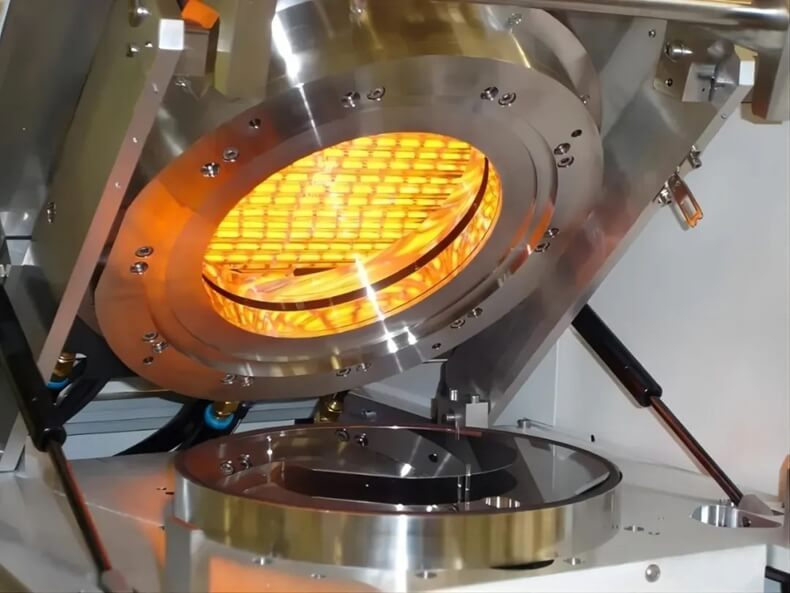
Stopping the Bottleneck: IR vs. Hot Air for Drying Wafers
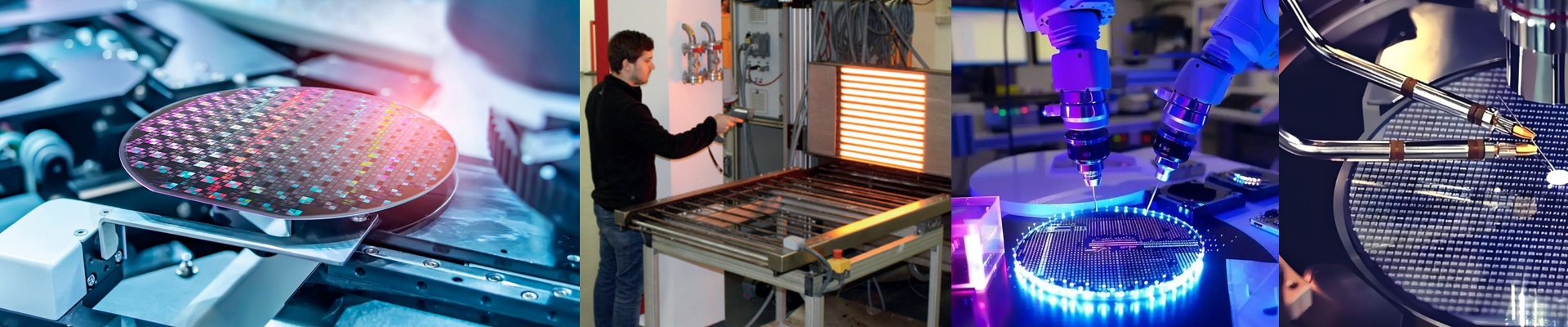
If you’ve spent any time in a semiconductor shop, you know the rinse cycle is where things usually slow down. Drying those wafers is a total pain. Most places still lean on hot air. We see it all the time. But here’s the problem: you’re basically trying to heat up a whole room of air just to get a little moisture off a surface. You’re moving massive amounts of air, waiting for it to circulate, and just… waiting. It’s a slog. The lag is the killer. Hot air relies on convection, which is fancy talk for “waiting for the heat to travel.” In a high-volume line, that lag is just wasted money. Infrared (IR) lamps handle this differently. They don’t bother with the air. They just shoot energy straight into the water molecules on the wafer. It’s direct. It’s fast. Now, you can’t just throw any lamp in there. Since we’re talking about rinse stations, you’re dealing with splashes and thick humidity. If you use a standard lamp, the terminals will corrode and fry themselves in a few weeks. You need waterproof IR lamps with quartz envelopes and seals that actually keep the moisture out. It’s not all magic, though. IR hits the target instantly, which means your cycle times drop and your throughput goes up. But you have to be careful. High-intensity IR creates localized heat. If your lamps are positioned poorly or the wattage is cranked too high, you risk stressing the wafer. You can’t just swap a blower for a lamp and call it a day. You’ve got to dial in the distance and the power so you don’t accidentally cook your substrate. Bringing it to the floor A lot of firms are making the switch to IR when they upgrade their lines, and for good reason. It saves a ton of space. You can get rid of the bulky blowers and the endless ducting. You wire the lamps, set your timers, and suddenly your drying time shrinks. Just a heads-up: make sure your cooling system can handle the leftover heat bleeding off the lamps, or your shop floor is going to feel like a sauna.