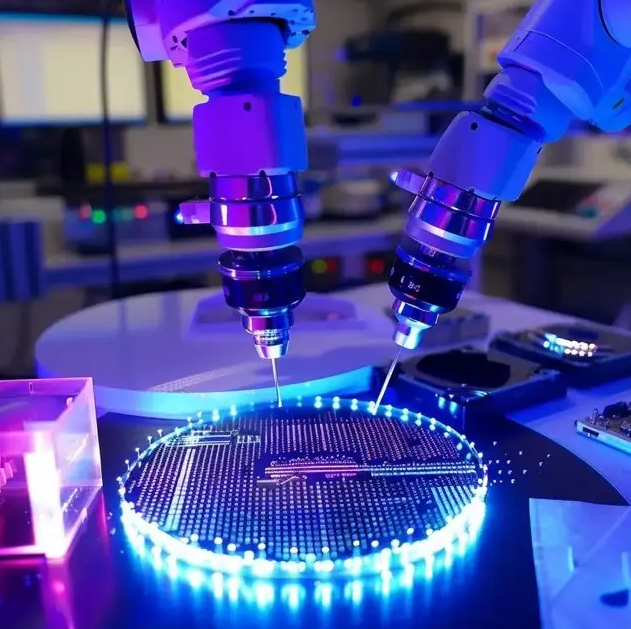
IR Heating vs. Hot Air: A Better Way to Build Bio-Sensors
When you’re fabricating bio-sensors, curing and drying are usually the parts of the process that make you want to pull your hair out. Most old-school setups still use hot air circulation. It works, sure. But it’s slow. Really slow.
The problem with waiting on air
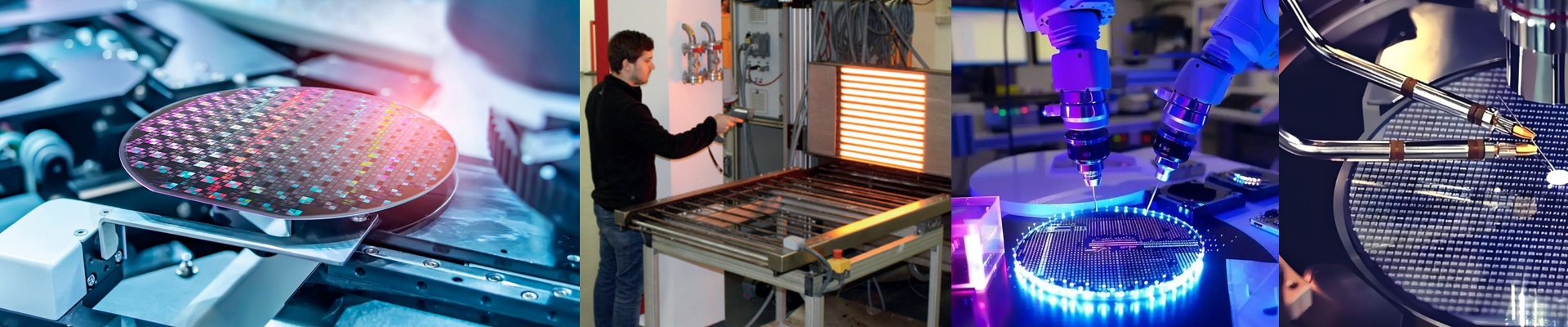
Think about how a convection oven works. You’re heating up the air, and then hoping that air transfers its heat to your substrate. It’s a middleman process. IR lamps are different. They use electromagnetic radiation to hit the material directly. You aren’t wasting time warming up the atmosphere in the room; you’re just heating the sensor. This turns a wait that used to take minutes into something that takes seconds. If you’re doing deep processing for semiconductors, that’s a massive win. You get way more throughput without having to rent a bigger warehouse.
It’s not just “plug and play”
Now, don’t get me wrong—you can’t just swap a heater and call it a day. IR puts out a lot of concentrated heat. If you cheap out on the cooling fans or mess up the power supply, you’ll overshoot your temp. One wrong move and you’ve scorched the organic layers of your sensor. It’s a delicate balance. You’ll need a solid PID controller to keep the duty cycle in check so you don’t fry your hard work.
Why we’re making the switch
Most of the lines we see moving away from convection ovens are doing it for three simple reasons: **No more warm-ups.**You flip the switch and you’re at temp. No sitting around waiting for the chamber to heat up before you can start your day. **You can be picky.**With hot air, everything in the box gets hot. With IR, you can target specific spots on the wafer. It’s like using a flashlight instead of a floodlight. **Cleaner sensors.**Less moving air means less dust and junk flying around. Fewer particulates landing on your sensors means fewer failures. If you’re trying to scale up, that “air lag” is probably your biggest bottleneck. IR lamps kill that lag. Just make sure your chassis is built to handle the heat.