Stop Guessing Your Temps: Making IR Systems Actually Work for Your Fab
If you’re planning a modern Fab, you’ve probably realized that just “turning up the heat” isn’t enough anymore. The real magic happens when you stop thinking about heating as a chore and start treating it as a source of data. That’s where smart infrared (IR) systems come in. We don’t just use them to get things hot; we use them to tell us exactly what’s happening to the part in real-time.
Getting Your Eyes on the Heat
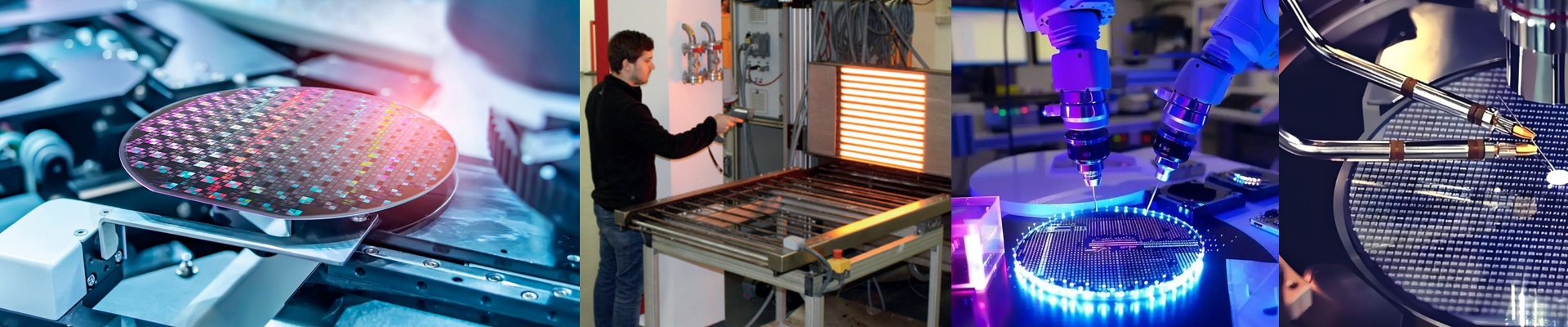
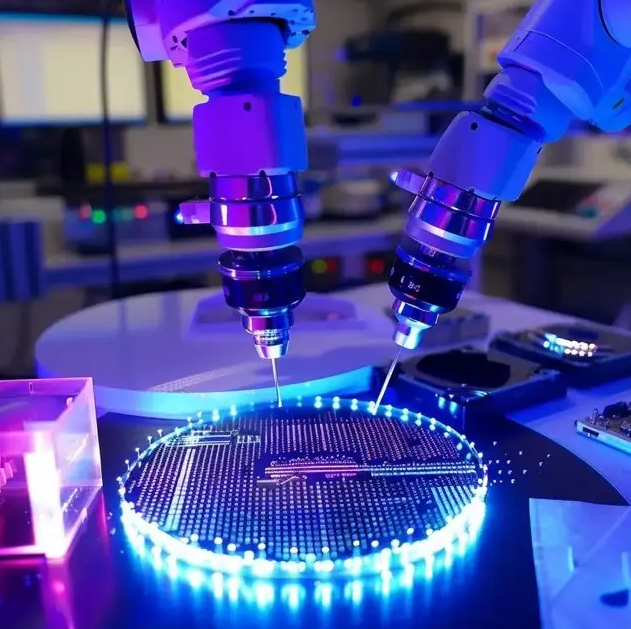
Most heaters are basically blind. You set a number on a dial, cross your fingers, and hope the part actually hits that temperature. It’s a bit of a gamble. We do things differently. By putting IR sensors right into the packaging and heating arrays, you can actually see the heat distribution as it happens. When you plug those sensors into your PLC, you get a live thermal map of your substrate. No more guessing how long to ramp up or how long to soak. You just look at the screen and you know.
Why IR? (Because Touching is a Bad Idea)
In a cleanroom, the last thing you want is a probe touching a wafer or packaging material. That’s a recipe for contamination. IR is great because it doesn’t touch a thing. We focus on short-wave and medium-wave bands so the sensors pick up the actual signature of your material, not the heat reflecting off the oven walls. It’s clean, it’s fast, and it doesn’t mess with your product.
The Trade-off: It’s Not All Plug-and-Play
Look, there’s a catch. A smart IR setup takes up a bit more room. You’ll need dedicated controllers and—this is the important part—shielded cabling. High-wattage lamps put out a lot of EMI. If you use cheap cables, your data will be full of noise and random spikes. It’s frustrating to troubleshoot, so it’s worth getting the cabling right the first time.
Making the Switch
The best part is that you don’t have to tear down your whole line to do this. We design these arrays to be drop-in replacements. You swap out those old, “dumb” lamps for smart-sensor arrays, and suddenly you’ve moved from scribbling notes in a logbook to having an automated digital trail. In semiconductor work, that’s a huge win. You stop wondering if a part was heated correctly and you start proving it with a hard digital log.