


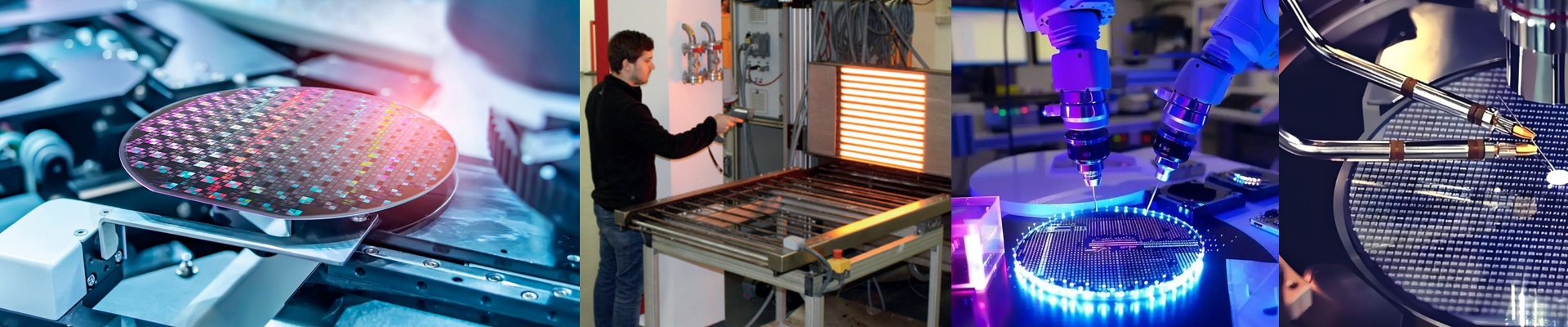
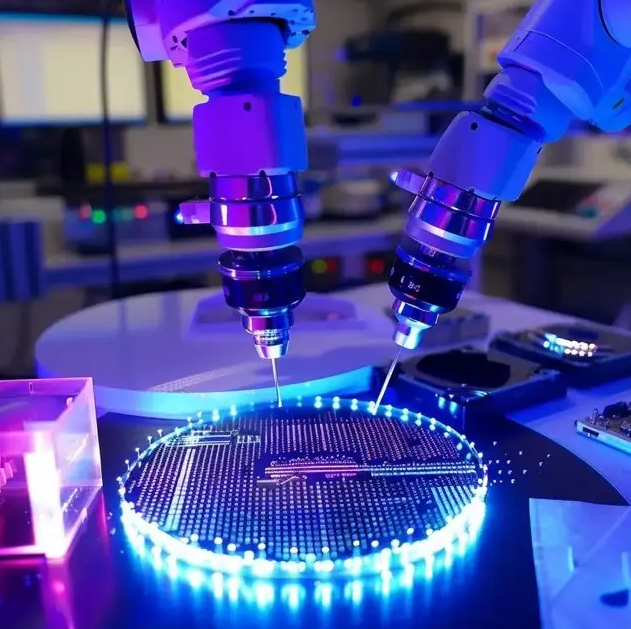
Stop Wasting Time: Why Vacuum IR Heating Actually Works
If you’re doing deep processing for semiconductors, you know the frustration of waiting. For a long time, we relied on forced air convection. But here’s the problem: you can’t blow hot air in a vacuum. There’s no air. It’s just… empty. Trying to use convection in a vacuum chamber is a dead end. That’s why we move to infrared (IR) heating. The waiting game is over. Think about how air-based systems work. You have to heat the air, and then the air has to heat the wafer. It’s slow. It’s a lag that kills your productivity and creates a massive bottleneck in your day. IR heaters just skip all that. They shoot photons directly at the workpiece. No middleman. No waiting. You hit your target temperature in seconds instead of minutes. When you’re running batches all day, those saved minutes add up to a huge amount of extra throughput. But you can’t just throw any heater into a vacuum. Most standard heaters “off-gas.” They leak volatiles that can land right on your wafer and ruin everything. It’s a nightmare. To stop that, we use high-purity filaments and specialized quartz envelopes. We’re obsessive about the seals, too. If the feedthroughs aren’t vacuum-rated, your chamber integrity is gone. Now, there is a catch. IR heat is intense. It’s concentrated. While that’s great for speed, it puts a lot of pressure on your cooling system. If your shutter timing is off or your power modulation is sloppy, you’ll overshoot your temperature before you even realize it. You need a solid PID control and a cooling jacket that can actually handle the heat soak. If you skip the thermal shielding, the heat starts migrating to your chamber walls, and suddenly your fixtures are warping. At the end of the day, it’s about being smart with your energy. Stop trying to heat the empty space around the part and just heat the part itself.