
Making Your Patio Heaters Actually Smart
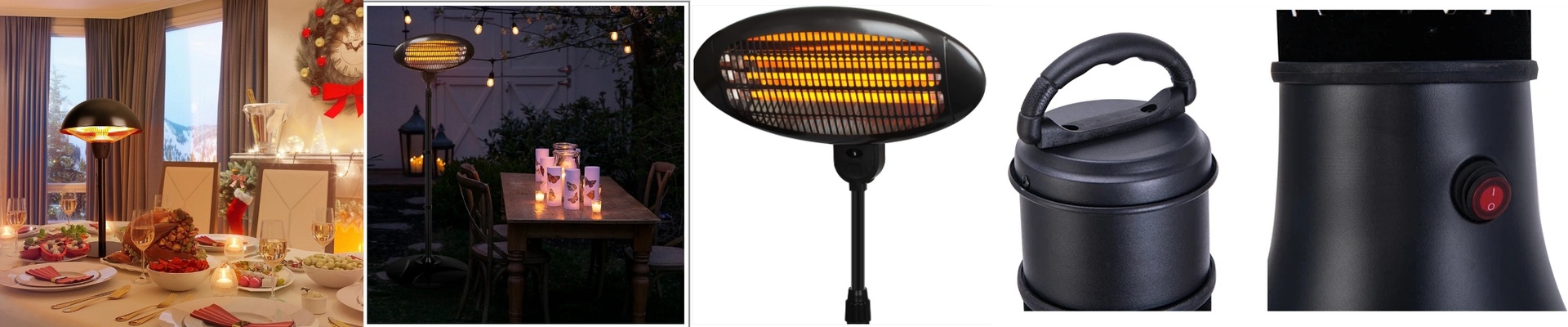
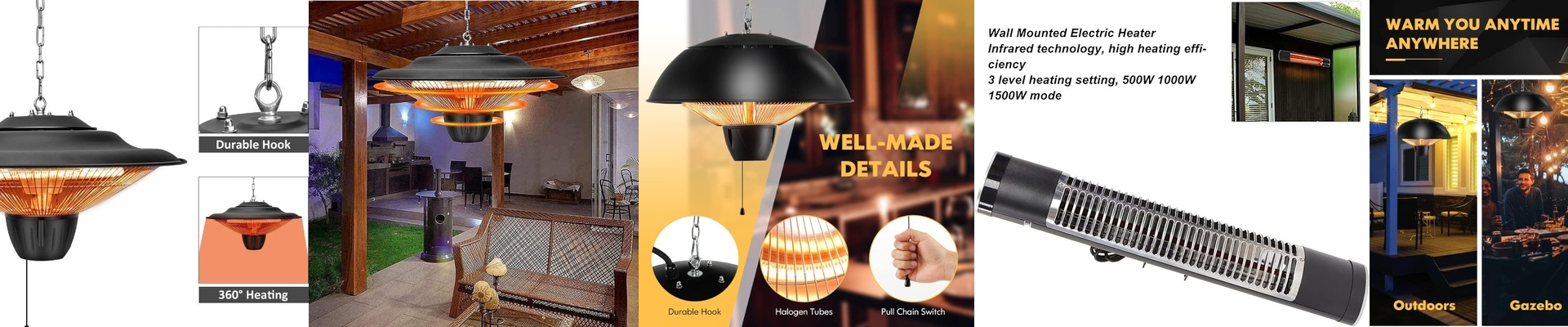
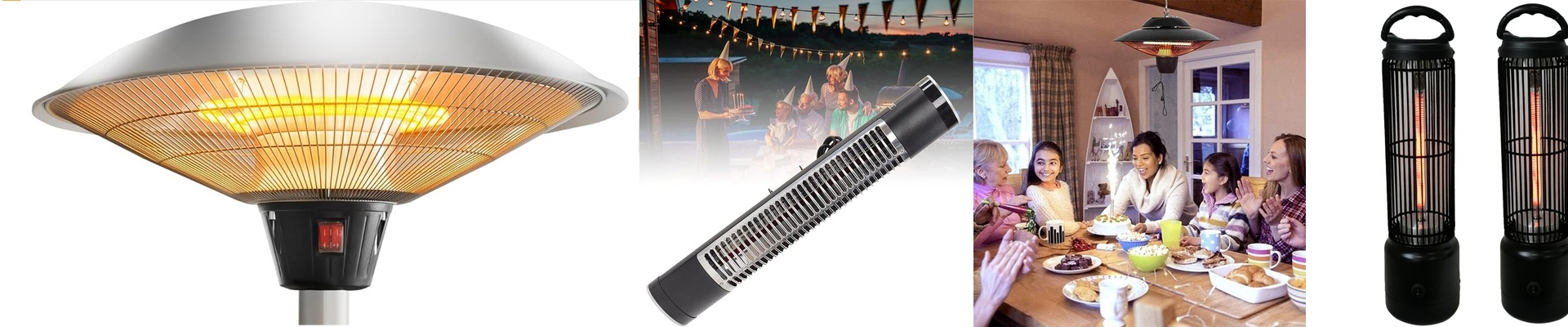
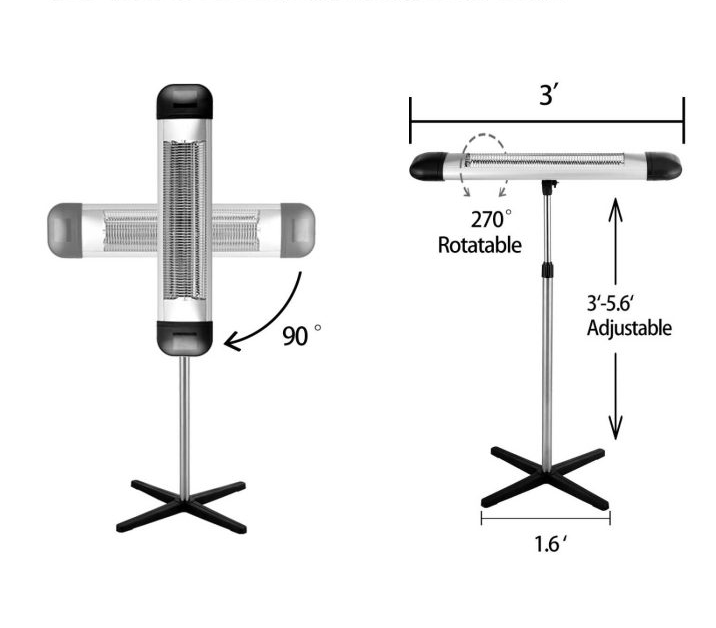
We build our IP55 infrared heaters to take a beating. Rain, dust, wind—they can handle it. But the real magic is in how they heat. Instead of trying to warm up the entire outdoors (which is basically impossible), these lamps beam heat directly onto you. It’s instant. You flip a switch, and you feel the warmth on your skin immediately. No waiting around for the air to warm up.
Getting them to “talk” to your home
To make these heaters smart, we ditch the clunky manual dials. Instead, we use relays or PWM controllers. Think of these as the translators that let your high-voltage heater understand low-voltage commands from Zigbee, Matter, or Wi-Fi. So, when you trigger a “Winter Mode” on your phone, the system just closes the circuit. Because it’s short-wave IR, you aren’t waiting for a fan to kick in. You just feel the heat. Fast.
A few warnings on the wiring
Since these are IP55 rated, the chassis is sealed tight against the elements. The trick is making sure your junction boxes stay that way. If you leave a gap in the seal, the rain will find it. Also, don’t skimp on the cables. We use heavy-gauge wiring because voltage drop is a real pain over long runs to a patio. And a heads-up: if you’re plugging in several 2kW units on one circuit, your breaker is going to pop. Just make sure your electrical load is planned out before you start drilling holes.
The honest trade-offs
Look, smart tech is great, but it adds a point of failure. If your hub crashes or the internet goes wonky, you’re stuck in the cold. That’s why I always suggest putting in a physical override switch. Just in case. One last thing—these lamps pull a lot of power. Make sure your smart relay is rated for an inductive load. If you use a cheap one, the contacts can actually weld themselves shut over time. Not a great way to end the night.