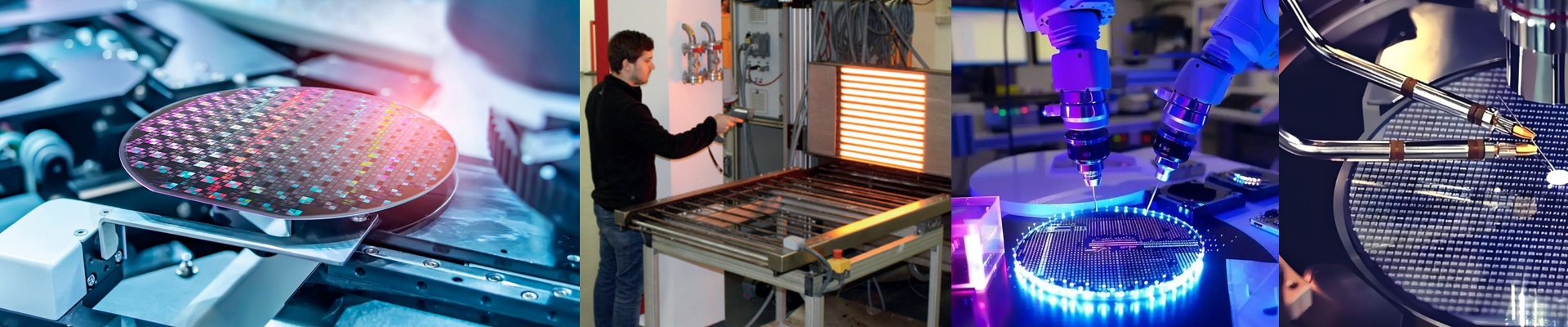
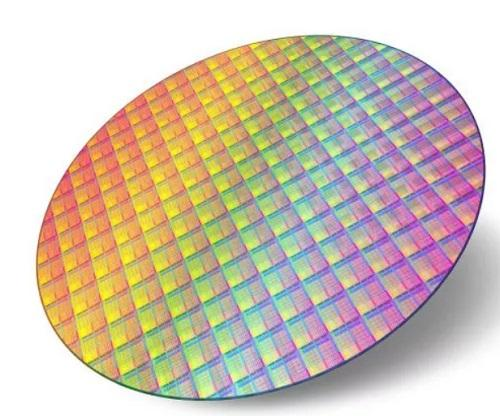
On the line, yield takes a hit when thermal control drifts. Clean rinses leave micro-droplets behind, and those little beads are basically an invitation for defects. Photoresist bakes might read the target temperature on the display, but across the batch the delta shows up in linewidth and scum. The answer isn’t just throwing more heat at it — it’s heat with control. What matters under the hood We built the NIR wafer dryer around short-wavelength near-infrared emitters tuned to silicon absorption, so the energy penetrates without cooking the surface. The response is sub-second, and uniformity across the wafer hits ±0.1°C. The chamber is Class 1–100 cleanroom compatible, with low-outgassing materials and a laminar flow path that keeps particle generation at zero. Repeatability is nailed down with calibrated sensors and closed-loop control, so every soft bake, hard bake, and drying step lands on the same thermal budget, shift after shift. Why it sticks in real processes In lithography, the NIR dryer hits the soft bake and hard bake profiles photoresist actually needs, cutting TMU and keeping CD uniformity in line. In cleaning and drying, it flashes off the last traces of moisture without leaving marks, which means fewer reworks and less scrap. In packaging, it runs fast, stable cures that shorten cycle time. Energy use drops because heat is delivered on-demand, not held in a hot-plate mass. Reliability is proven in the field: units run 24/7 with zero unplanned downtime, and service intervals stretch to thousands of hours. The practical details The NIR dryer drops into existing tracks and stand-alone tools, but keep the optics path clean and aligned. Plan for cleanroom clearance around the emitter window, and make sure your recipe matches the emitter spectrum — some polymers absorb differently in NIR. Expect minor tuning when you switch resist lots, and document the new setpoints. Once you’re aligned, the process stays in control.