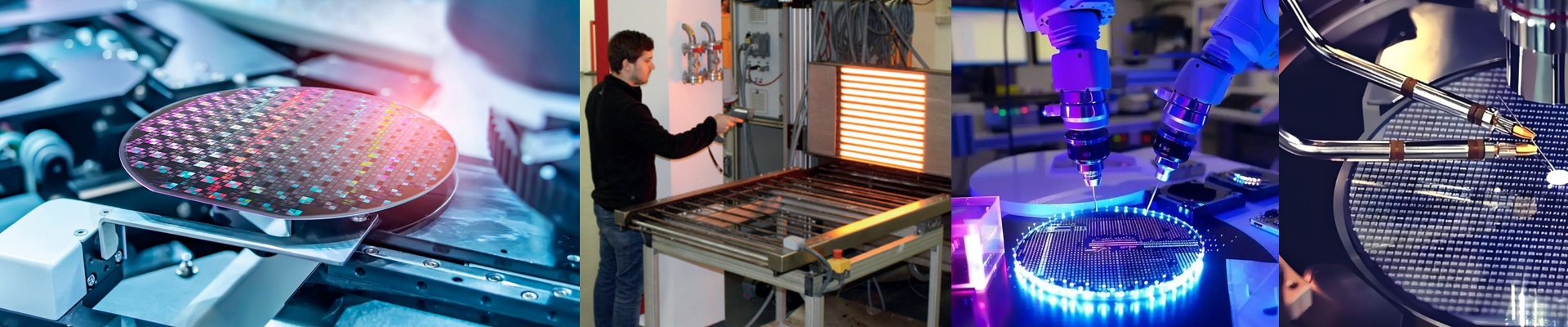
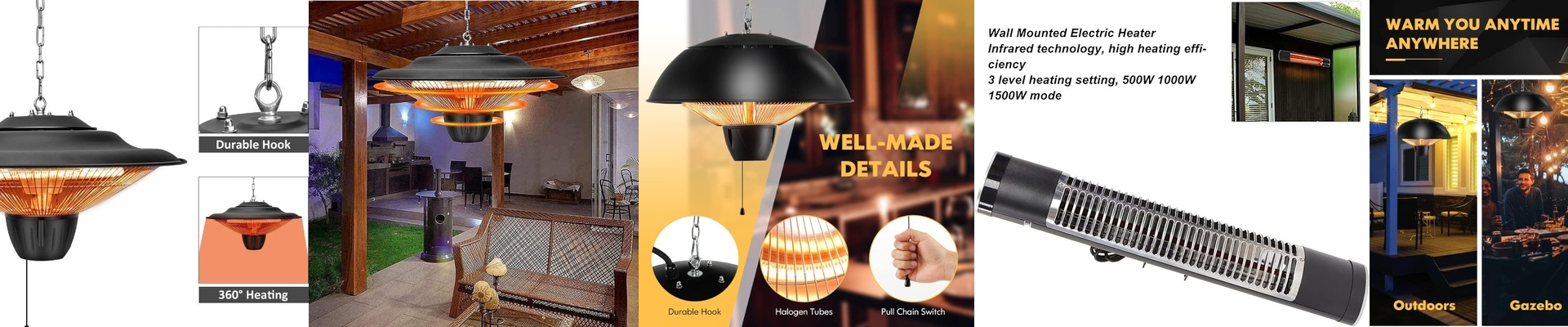
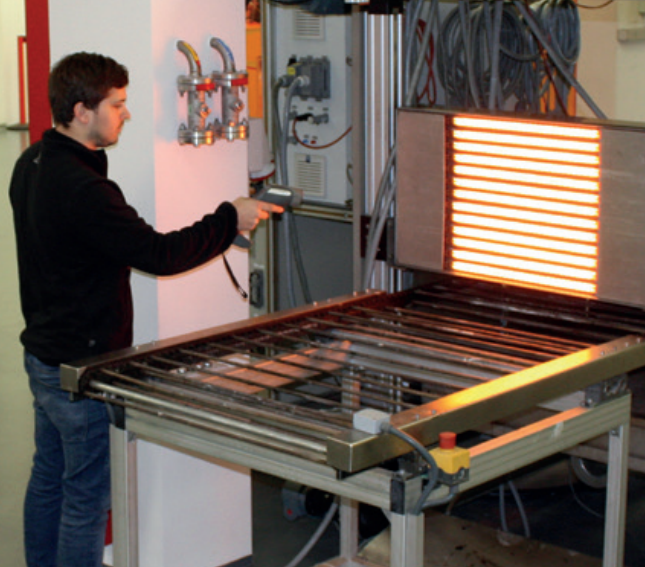
On the fab floor, you know how it goes: a half-degree drift in the soft bake shifts the photoresist profile, and that shift walks your critical dimension. The thermal budget is exacting, and there’s no room to miss. What matters under the hood We run RTP lamps with short-wave halogen heating through high-purity quartz, so the energy is fast and directional. The system holds wafer-level thermal uniformity within ±0.1°C across the whole process window, from photoresist soft bake through hard bake. Repeatability is shot-to-shot, and the closed-loop control keeps the setpoint steady under load. It’s built for cleanroom Class 1–100, with zero particle generation and low outgassing. These units live on 24/7 duty, and we’ve put in 5,000+ hours with less than 5% output drop. Why this matters where you live In lithography, a stable bake temperature is what keeps CDs on target and line-edge roughness in check. Tight uniformity means fewer edge rejects and a cleaner overall yield. Fast ramp rates cut cycle time without baking stress into the stack, and the efficiency knocks down operating cost. The payoff is fewer excursions, less rework, and output you can count on. Over in packaging, that same thermal stability gives you reliable curing and solid bond integrity, so the line keeps moving. The things you’ll want to get right The lamp is high-intensity, so your chamber interface has to match it thermally. We supply interface drawings, and we recommend a dedicated power feed with voltage stability within ±1%. Expect a short warm-up to reach steady state—plan your recipes around that ramp. Set it up properly, and you’ll get stable performance with minimal unplanned downtime.