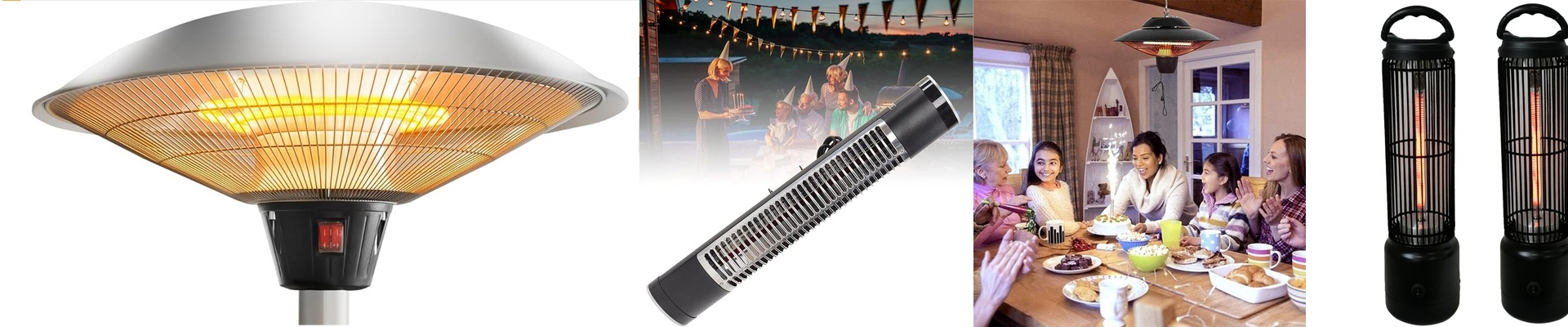
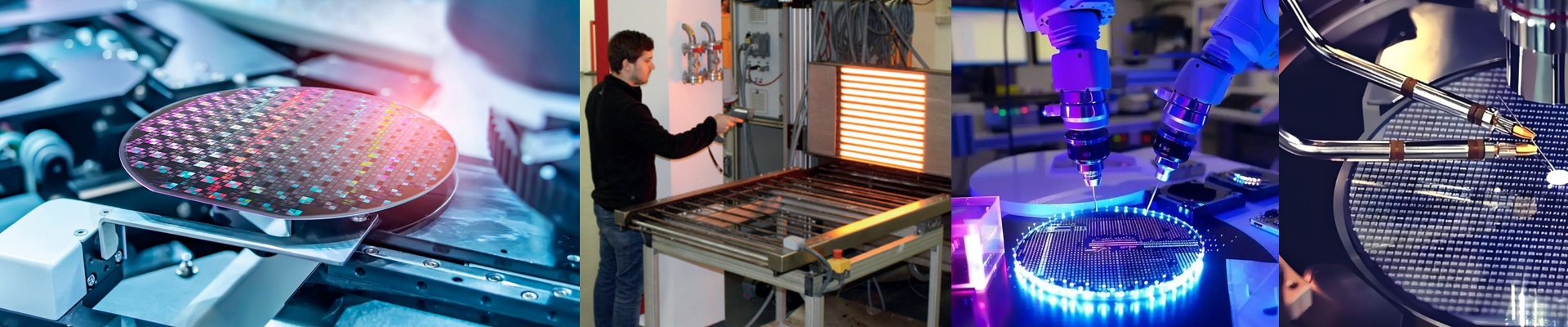

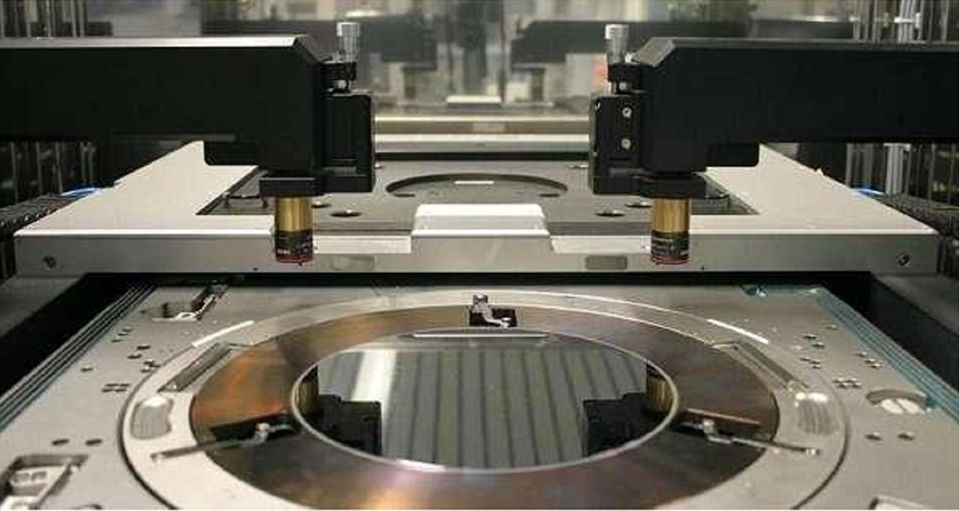
On the fab floor, yield is won or lost in degrees and nanometers. A soft bake that drifts half a degree can kick off a line-width excursion, and a convection oven’s airflow can lift particles right onto a fresh photoresist film. The real question isn’t just how to dry wafers—it’s how to do it without adding more variability into the process. What matters, technically Infrared drying puts radiant energy straight onto the wafer, heating the surface and substrate with almost no air movement. That gives you wafer-level thermal uniformity of ±0.1°C across the chuck and near-instant setpoint response—exactly what you need for repeatable photoresist bakes. Convection systems use heated air circulation, which helps on complex topographies, but the turbulence can drive up particle counts. Pick your infrared source—short-wave quartz, medium-wave ceramic, or carbon fiber—based on your thermal budget, cycle time, and the substrate stack you’re running. Why it fits where you need it For lithography lines, infrared plays well with Class 1–100 cleanrooms and keeps particle generation at zero during drying. You get a faster ramp to soak, tighter critical dimension control, and less solvent retention in the film. Convection still makes sense on packaging lines, where thick dielectrics and mold compounds need gentle, uniform heating. Either way, if the equipment is built for 24/7 reliability and zero unplanned downtime, your WIP keeps moving without thermal surprises. The details that bite you Infrared needs line-of-sight and careful emissivity matching—reflectors and temperature feedback have to be tuned per recipe. Convection ovens demand HEPA-grade recirculation filtration and routine airflow balancing to hold particle performance. Infrared modules typically integrate into a tighter footprint, so double-check power, voltage, and connector compatibility with your existing track or coater. Choose the method by the failure mode you can’t afford: thermal drift, or particle contamination.