
Why we put our bathroom lamps through a “humidity torture test”
Bathrooms are a nightmare for electronics. Think about it: you’ve got thick steam, wild temperature swings, and water vapor hitting everything. For an infrared lamp, it’s the worst possible place to live. If the seal on the quartz tube lets in even a tiny bit of moisture, the filament burns out in a heartbeat. It’s a total loss. That’s why we don’t just “hope” the seals hold—we push them until they break.
The battle between water and quartz
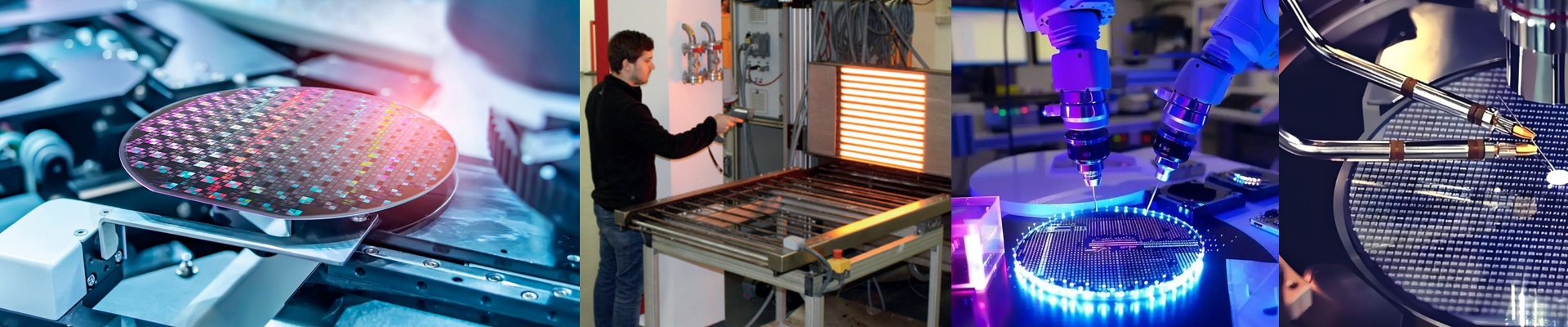
Most of these heaters use short-wave halogen lamps. You’ve got a tungsten filament tucked inside a quartz tube filled with gas. Quartz handles heat like a champ, but the “pinch seal”—that spot where the wires enter the glass—is the Achilles’ heel. Over time, moisture tries to sneak through those seals. The second water vapor touches that scorching hot filament?**Pop.**The tungsten oxidizes and the light goes dark. To stop this, we lock our lamps in humidity chambers. We crank the humidity to 85% and dial up the heat for hundreds of hours. It’s brutal. But if a lamp is going to fail, we want it to happen in our lab, not in your shower.
Dealing with the “thermal shock”
Imagine going from ice-cold to 1000°C in a few seconds. That’s what these lamps do every time you flip the switch. It puts an incredible amount of stress on the connectors. We simulate this by cycling the power on and off constantly during our tests. We’re looking for cracks in the glass or electrodes that start to shift. The result? A lamp that doesn’t flicker or give up the ghost halfway through January. Just a heads-up, though: no material is invincible. If your fixture is designed in a way that lets water pool directly on the lamp ends, even the best seal in the world will eventually lose.
Building for the long haul
For us, a reliable seal beats a “pretty” design every time. A thicker pinch seal might not look as sleek on a blueprint, but it actually keeps the water out. We’d rather see our lamps take a beating in the lab so that by the time they reach you, the wattage is steady and they actually last as long as we say they will.