
Stop Replacing Your Infrared Heaters Every Few Months
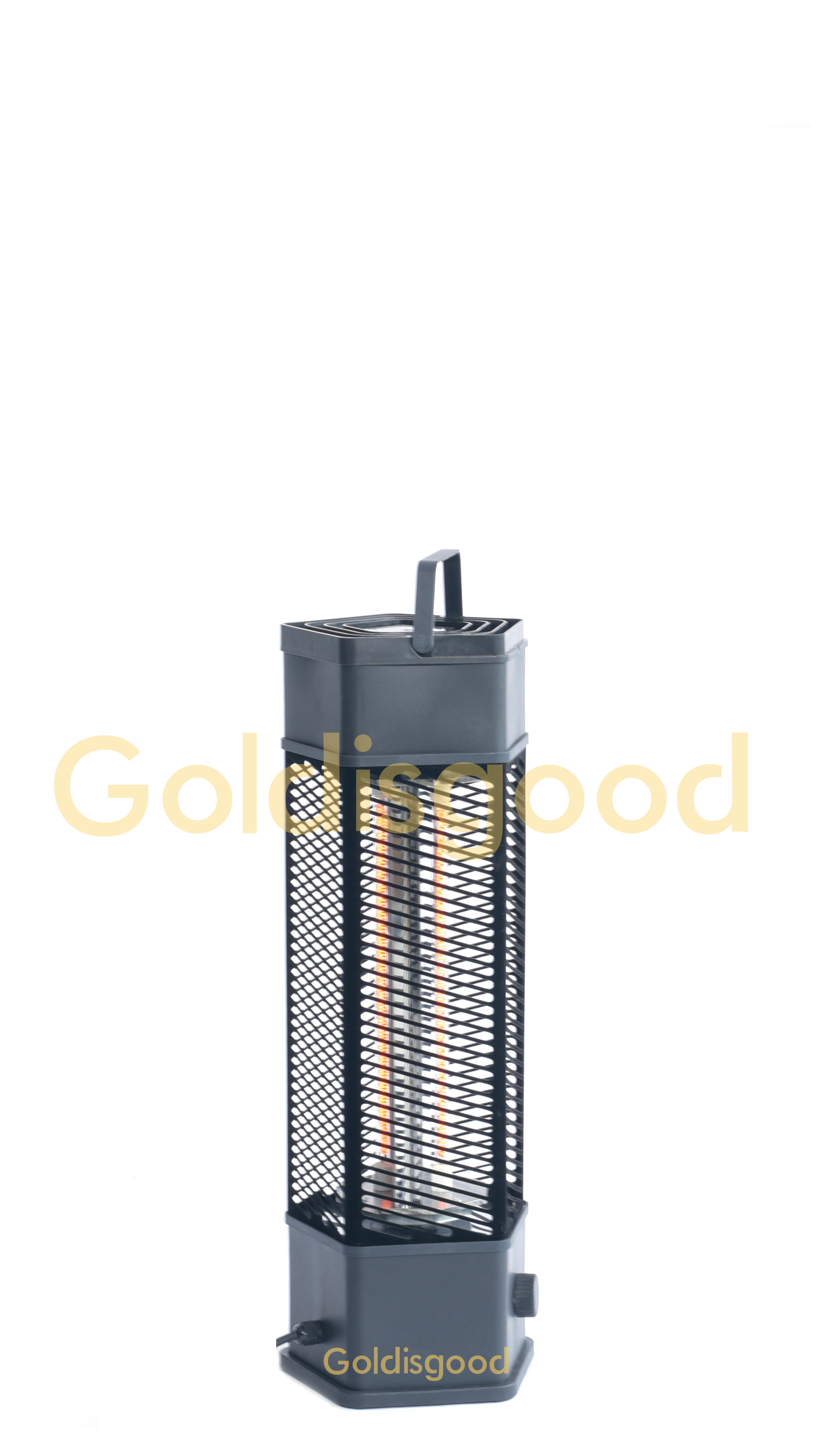
Let’s be honest: most infrared heaters hate water. If you’re running them in a humid shop or anywhere near a splash, they usually burn out way too fast. Water gets inside, things short circuit, and the heating elements oxidize before they’ve even had a chance to do their job. It’s frustrating, and it’s a waste of money. We decided to fix that. Dealing with the splashes We went with an IPX4 rating, which is just a fancy way of saying these units can handle water splashing at them from any angle. We did this by sealing up the electrical junctions and using gaskets that keep moisture away from the terminals. If you’re working on a shop floor with coolant mist flying around or the occasional accidental spill, this is a lifesaver. You can actually wire these into damp areas and not spend your whole shift worrying if the heater is about to pop. The problem with fog Then there’s the fog. Most people think condensation is just a visibility problem, but it’s actually a thermal one. When moisture builds up on the heater face, the heat doesn’t spread evenly. You end up with these “hot spots” on the quartz tube. That stress makes the glass crack. To stop that, we changed the geometry and added a surface treatment that clears moisture quickly. It keeps the path clear so the heat actually gets where it needs to go. A few things to keep in mind Now, there is a trade-off. Because of the seals and the casing, these heaters have a slightly larger footprint. You can’t just slide an IPX4 unit into a slot designed for a bare-bones lamp. You’ll need to double-check your mounting brackets to make sure there’s enough room for the housing. And just a heads-up: these are splash-proof, not waterproof. They can take a beating in a wash-down zone, but don’t go dunking them in a tank. If you’re using high-pressure power washers, you’ll need to jump up to an IPX6 or IPX7 spec. But for the vast majority of wet environments? This setup stops the most common reasons these things fail, meaning you spend less time replacing filaments and more time actually getting work done.