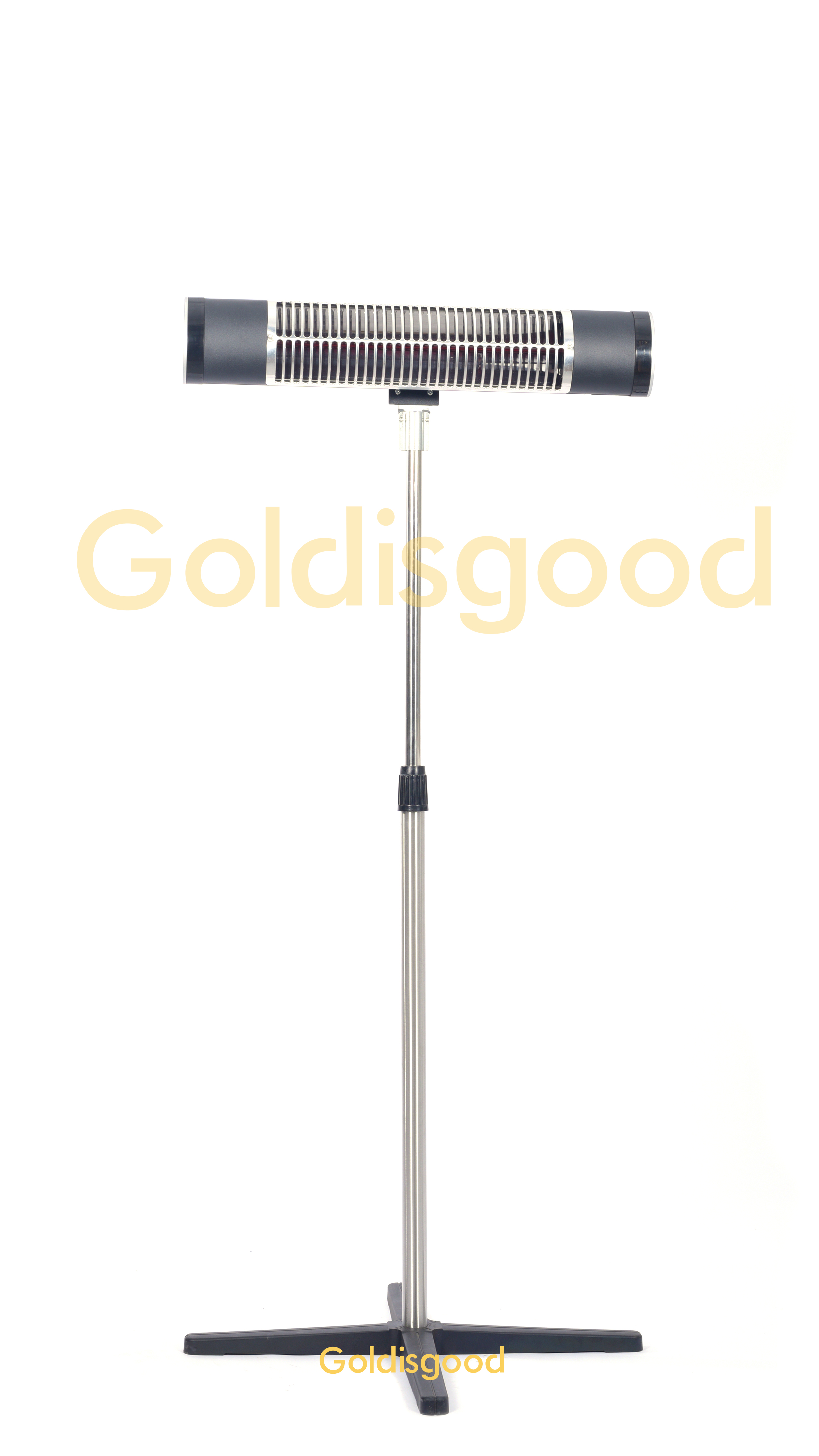
Stop Letting Your Patio Go To Waste This Winter
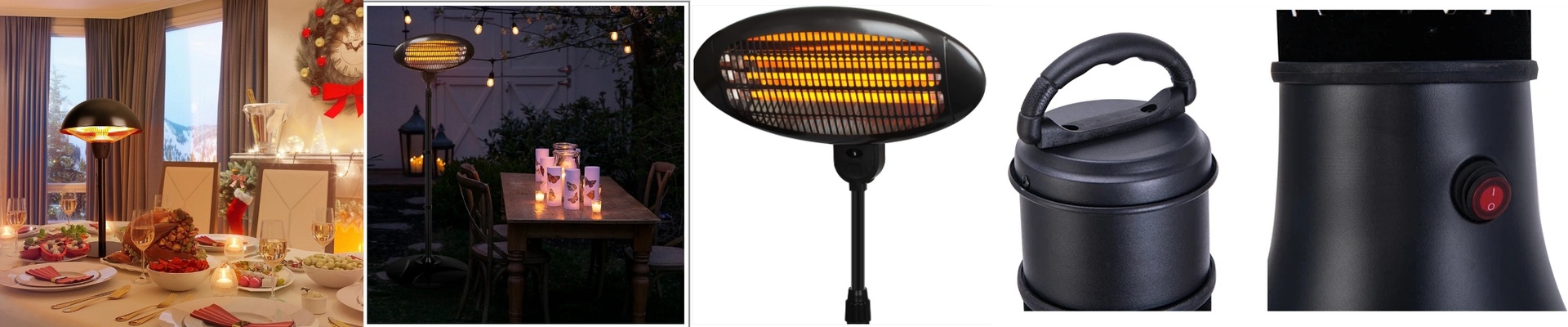
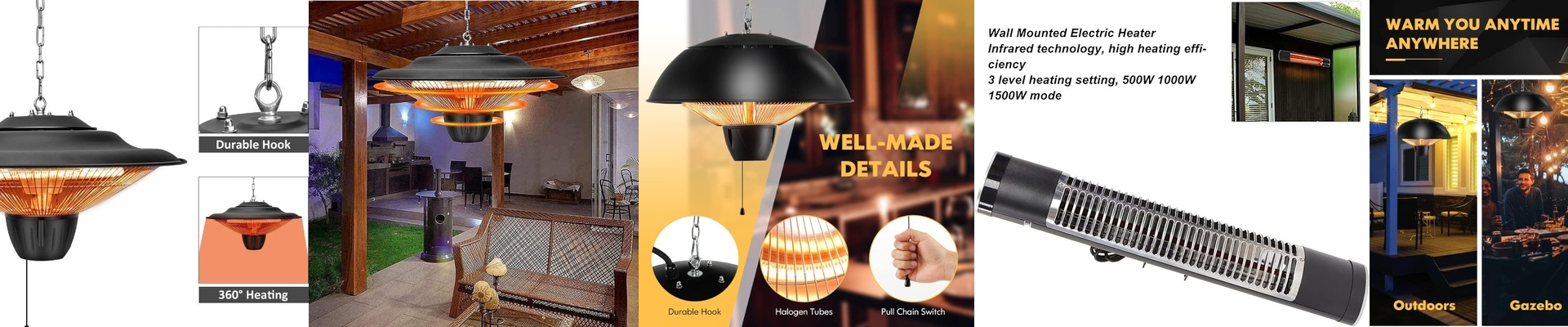
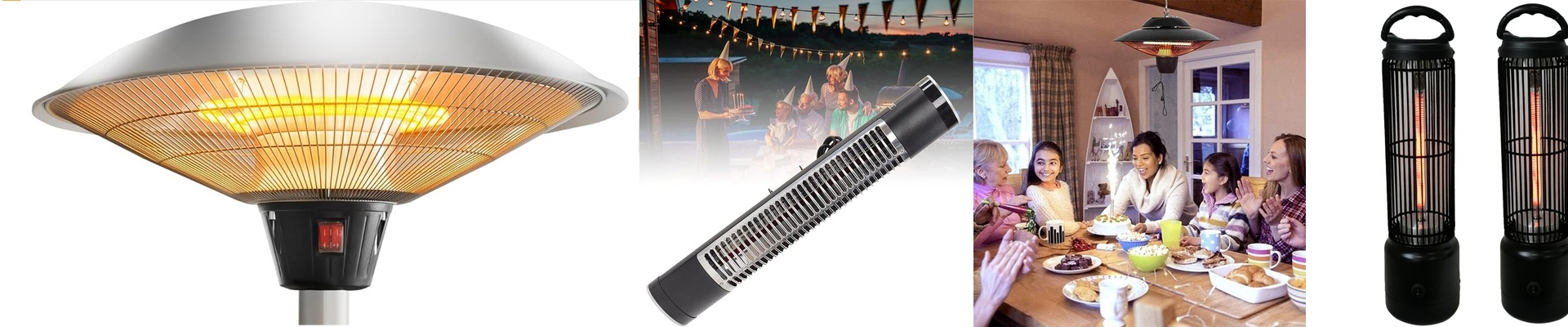
It’s a frustrating sight: a beautiful outdoor dining area sitting completely empty just because the temperature dropped. Most people try to fix this with those standard convection heaters, but there’s a problem. The second a breeze kicks up, all that warm air just blows away. Your guests are still shivering, and your tables are still empty. That’s where shortwave infrared comes in. Instead of trying to heat the air—which is a losing battle outdoors—these emitters beam heat directly onto your guests’ skin and clothes. It feels like sitting in the sun on a crisp October day. The secret is in the quartz. We use high-wattage quartz tubes that push heat deeper into the body. Because it’s not relying on air, the wind can’t “steal” the warmth. You can have a wide-open terrace in the middle of January, and your guests will still feel cozy. And the best part? There’s no waiting around for the unit to warm up. You flip the switch, and it’s instant. Better vibes, better bottom line. Let’s be honest: cold customers don’t linger. They rush through their drinks, skip dessert, and leave the moment they’ve had enough to eat just to get inside. When you get the temperature right with a smart grid of heaters, people actually relax. They stay longer. They order that extra bottle of wine. Basically, you’re turning “dead” square footage back into money. You aren’t building a new addition to your restaurant, but you’re effectively increasing your seat count. When the environment is comfortable, the service—not the weather—dictates how long people stay. A few things to keep in mind. These aren’t plug-and-play space heaters. They pull a lot of power. You’ll need a heavy-duty circuit to handle the load, or you risk tripping a breaker right in the middle of the Friday night rush. Not a great look. Placement is also a big deal. If you hang them too low, your guests will have toasted heads and freezing toes. Too high, and the heat loses its punch. We usually spend a bit of time calculating the height-to-power ratio. It’s the only way to make sure the warmth is even across the whole table, so nobody is fighting over the “warm spot.”