
Stop Fighting Your Heaters: Why Modular Design Actually Matters
Most IP65 heaters are built like tanks. They’re sealed tight to keep the dust and water out, which is great—until something actually breaks. Then it becomes a nightmare. When a heating element finally gives out after a few years of hard work, technicians usually have two choices: toss the whole chassis in the scrap bin or spend half a day fighting with stubborn gaskets and fasteners just to get inside. It’s frustrating and a total waste of time.
A Better Way to Handle Heating Elements
We wanted to get rid of that headache. So, we stopped hard-wiring the elements into the main housing and went with a plug-and-play setup instead. Think of the heating tube as a consumable part—like a lightbulb—rather than something permanent. If a tube fails, you just swap it out. You don’t have to tear down the entire enclosure. Plus, the modular frame keeps the element locked in place, so you don’t have to worry about the infrared focal point shifting every time you put in a new part. It just works.
The Trade-off: Protection vs. Access
Getting a perfect IP65 seal usually means everything is clamped down tight. To make this easier, we used compression gaskets and panels that fit together precisely. The best part? You don’t have to rebuild the entire seal from scratch every time you open the unit. You just get in, fix the problem, and close it back up. Now, there is a trade-off. A modular chassis uses more aluminum than a welded one, so it’s a bit heavier and takes up a little more space. But honestly? I’d take a slightly heavier machine over spending four hours on a repair that should take five minutes.
Real World, Real Shop Floors
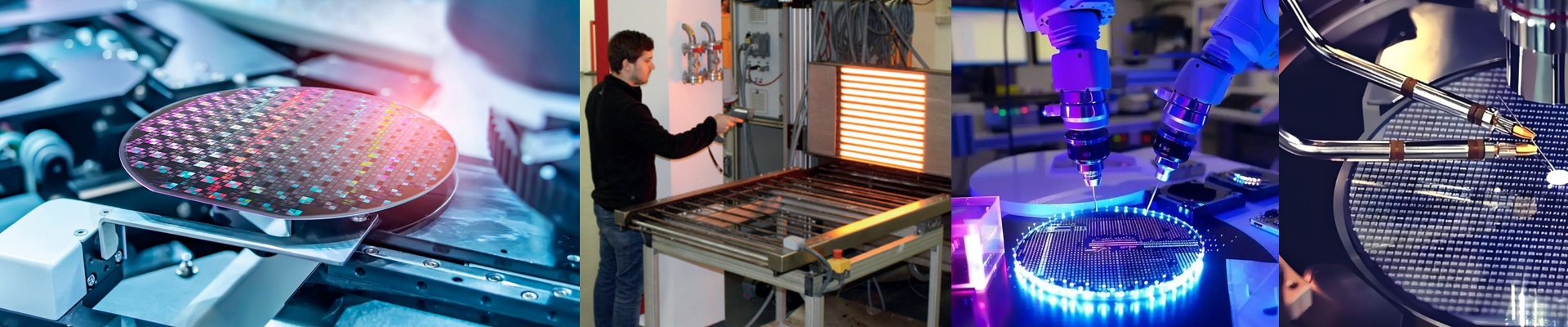
In a real factory, a dead heater usually means a dead production line. That’s expensive. By using modular inserts, you can just keep a few spare tubes on a shelf. When a lamp pops, you pull the old module, drop in the new one, and wire it up. No soldering. No custom fabrication on the fly. It keeps the line moving and keeps your maintenance budget from spiking unexpectedly. Simple as that.