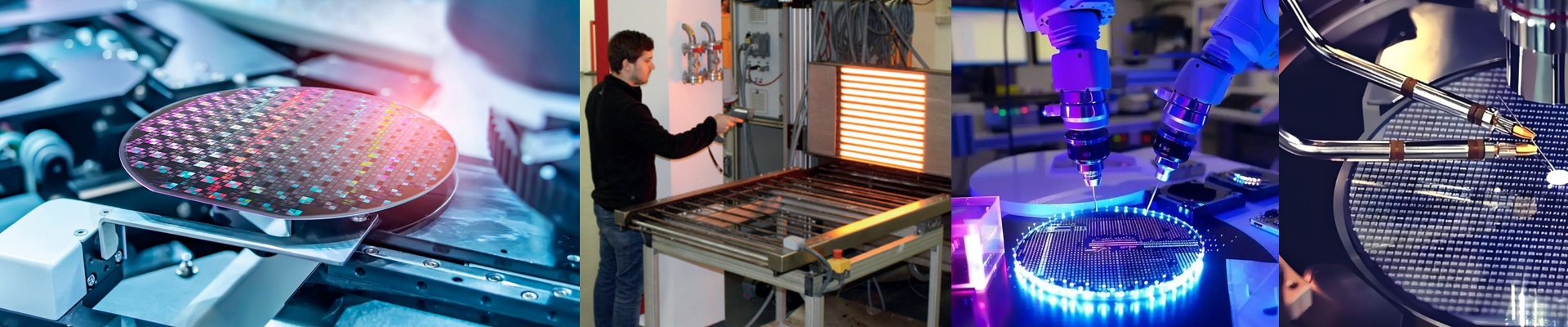
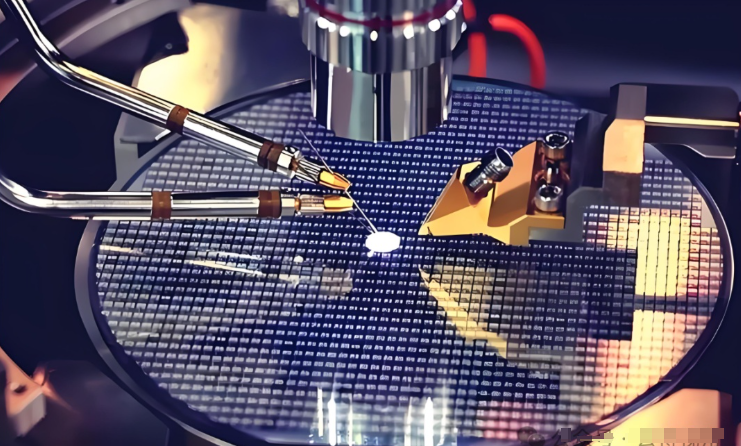
On the redistribution line, temperature isn’t just another parameter—it is the process. A 5°C drift during photoresist soft bake or epoxy curing will move bump height, throw off overlay, and cost you yield. This fan-out wafer-level packaging heater is built to keep the thermal budget where it needs to be: locked inside spec, cycle after cycle. What matters under the hood You get ±0.1°C setpoint stability across the active surface, so photoresist bake profiles repeat without constant retuning. Short-wave infrared elements deliver fast, clean energy with quick ramp-up and minimal thermal lag, and a quartz-isolated heating zone keeps particle generation near zero. It’s engineered for cleanroom Class 1–100 operation, with exhaust routing and low-outgassing materials that keep contamination out of the film. Input power and voltage match common packaging tools, and the footprint is laid out for direct integration into reflow and curing modules. Here’s why it holds up in fan-out: you’re running thin films, tight tolerances, and expensive wafers. The heater keeps the thermal profile consistent from center to edge, which cuts rework and protects the redistribution layer. You end up with tighter bump coplanarity, fewer voids in mold compound cure, and line yield you can plan around. It also sips energy—hits setpoint fast and holds it without overshoot—and it’s proven in 24/7 cadence, where unplanned downtime translates straight into missed lots. A few practical notes. It interfaces with standard tooling, but alignment tolerances are tight—budget a full day for integration and bake profile validation. After a long idle, expect about a 30-minute warm-up to reach thermal equilibrium. And keep ambient humidity controlled; with moisture-sensitive materials, repeatability depends on it. This isn’t a plug-and-play add-on. It’s a process-critical upgrade that demands disciplined setup.