Introduction
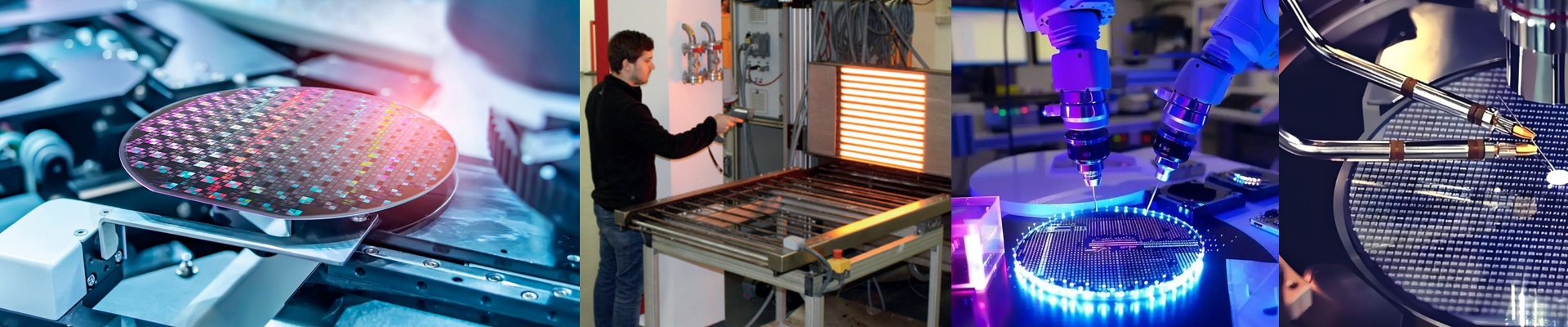
We built this infrared halogen heater for one reason: to solve the real headaches of carbon nanotube fabrication. It was born to replace those clunky hot air systems in semiconductor deep-processing lines, where the biggest time-sink is always the wait for temperature. If you’re running a cleanroom line, this isn’t just another box on the bench. It’s a direct, drop-in upgrade that gives you serious speed, without ever making you sacrifice stability.
The Power Behind the Heat: A Quick, Unflinching Look
Let’s get down to the brass tacks. The specs are clean and purposeful: a 300mm tube, a 400V input, and 2500W of power. That 300mm length is no accident. It’s designed to fit perfectly into standard reactor and deposition zones, so you get a predictable, reliable thermal footprint. The 400V supply is there to push serious current through a compact quartz envelope, packing a huge amount of power into a small space. And the 2500W? That’s what gives you the fast ramp-up that cuts down on the dead time between batches. This isn’t a gentle, warming-up kind of heater. It’s built for speed and intense, focused heat. So, a heads-up: your system’s cooling and electrical setup need to be ready for it. A 400V, 2500W element draws a lot of power, so you have to make sure your wiring, contactors, and thermal management are all spec’d for the job.
Built to Last: The Quartz, Halogen, and R7s Story
We chose a quartz envelope, packed with halogen gas, for a reason. Quartz can handle the brutal shock of rapid temperature changes without warping or cracking. It stays solid, cycle after cycle. The halogen gas does its part, too. It keeps the filament stable over time, which means less output drift. And when you’re chasing nanotube uniformity, consistency is everything. And then there’s the R7s connector. We went with this standard, two-pin ceramic base because it’s the smart, practical choice. It locks the tube in place, handles the high heat at the ends, and makes replacement a snap—no tools, no fiddling with terminal blocks. For the wiring side, we’ve got you covered with Sk15 terminal blocks, which fit right into most cabinet interfaces. The whole setup—the ceramic base, the high-temp leads—is built to live in the heat zone and just keep going.
Why It Works: Speed, Control, and a Seamless Line Upgrade
In carbon nanotube fabrication, time is money. Every minute counts. Hot air systems heat the whole chamber, and you just wait and wait for it to stabilize. With infrared, you’re heating the target directly. The response is almost instant, and you can fine-tune the temperature by simply adjusting the power and the distance. For anyone running a semiconductor deep-processing line, this means shorter dwell times, faster setpoint changes, and way less waiting around. The footprint is small, so retrofitting is a breeze. The trade-off is simple: you get incredible speed and precise, local control. But you do need to make sure the surrounding components can handle the radiant heat. This setup is the practical upgrade you need for line transitions. It delivers the thermal performance required for high-density deposition zones, with the reliability to run 24/7.