Keeping the Heat On: A No-Nonsense Guide to IP65 Infrared Elements
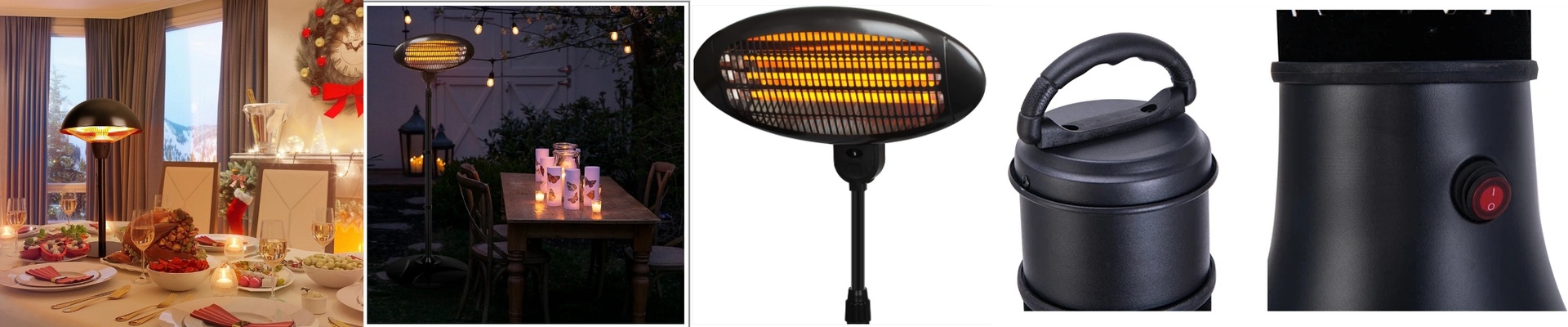
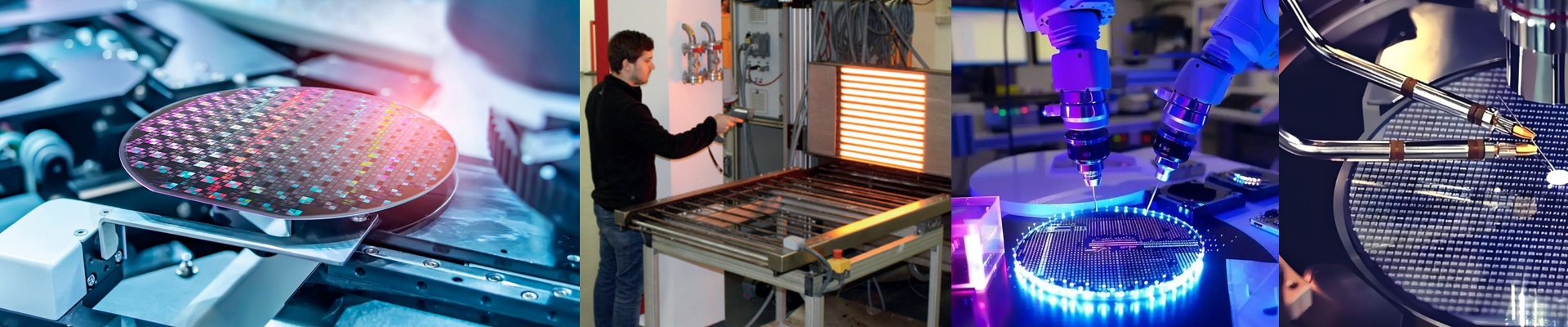
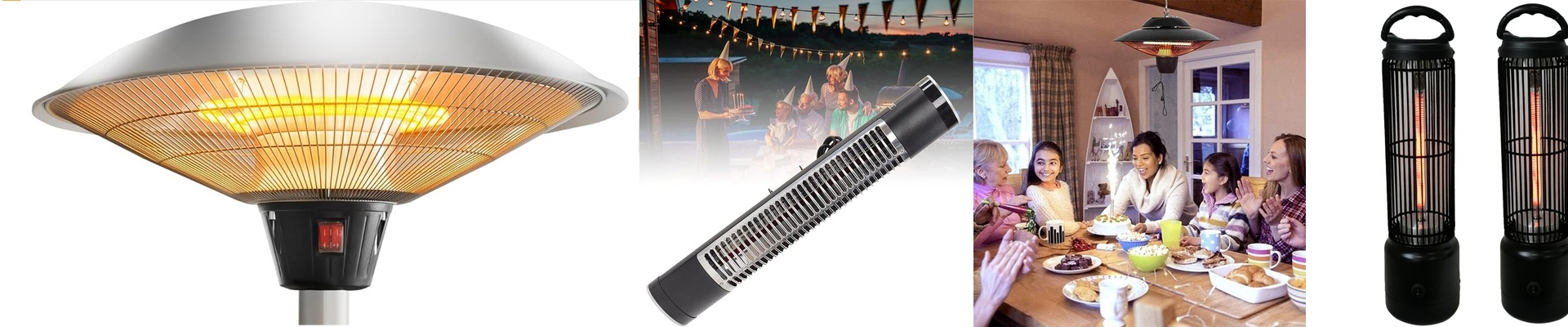
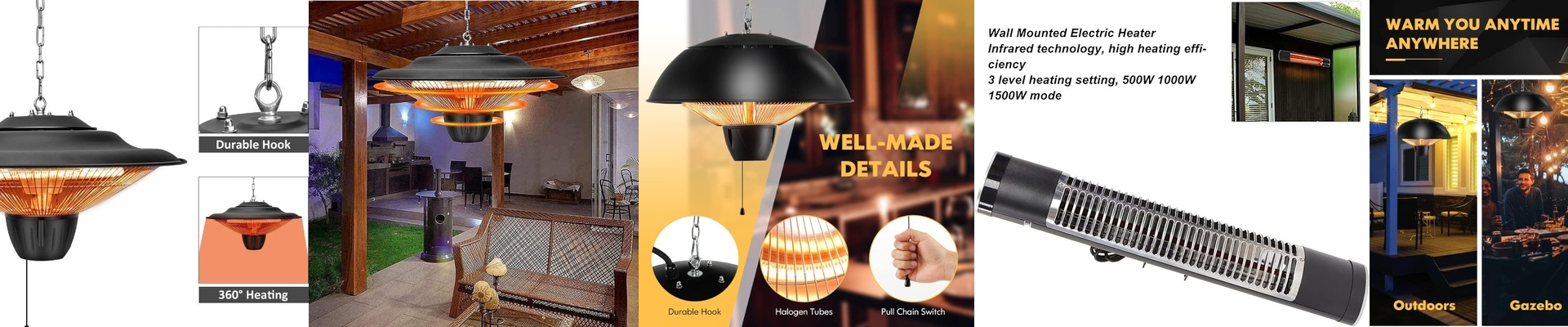
If you’ve ever had to swap out heating elements in a locker room or a spa, you know the deal. It’s not just about picking the right wattage. You’re fighting a constant battle against steam, humidity, and the occasional stray spray of water. That’s why we build our replacements to an IP65 standard. In plain English? The electrical terminals are sealed tight. Dust stays out, and water jets don’t get in. Why shortwave infrared? Because nobody wants to stand in a freezing changing room waiting for the air to warm up. We use shortwave technology because it doesn’t waste time heating the air—it goes straight for the skin and the surfaces. It’s fast. Really fast. You get that hit of warmth the second you flip the switch. The gear under the hood We house the tungsten filament in high-purity quartz glass. Why quartz? Because it can handle the shock of going from cold to scorching hot without cracking. To make sure these things actually survive a wet environment, we use specialized gaskets and moisture-resistant potting at the connection points. If you try to sneak in a standard, non-rated lamp here, you’re asking for trouble. The terminals will likely corrode or short out in a few months just from the steam in the air. Getting them installed These are designed to be simple drop-in replacements. You pop out the old tube, wire it into your current controller, and you’re done. Just a heads-up on two things: First, these tubes put out some serious, concentrated heat. Double-check that your brackets and reflectors can handle the temperature. You don’t want to find out the hard way that your housing is warping. Second, keep an eye on your power. If your voltage is jumping all over the place, the filament is going to burn out way sooner than it should. If you’re running this in a big commercial spot, grabbing a stabilized voltage regulator is a smart move. It’ll save you a trip back up the ladder.