
Stop Letting the Cold Kill Your Patio Profits
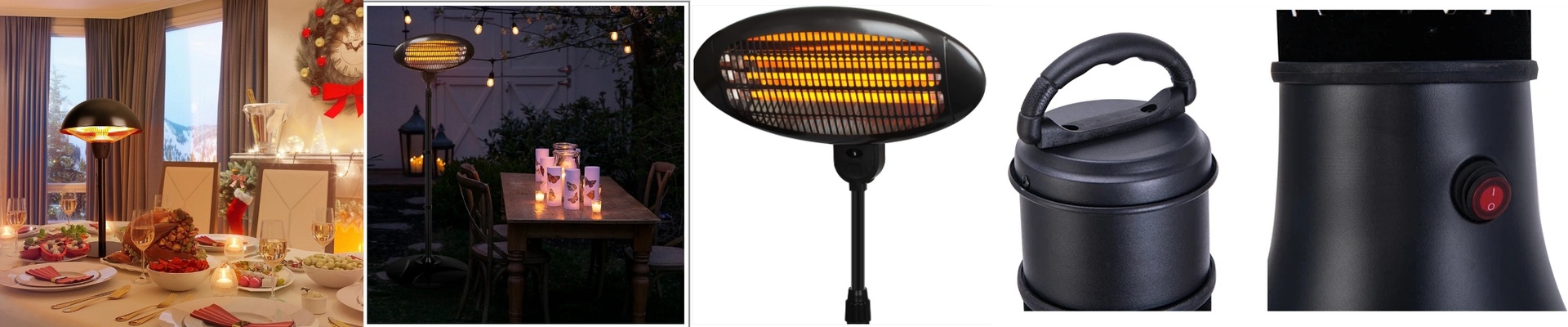
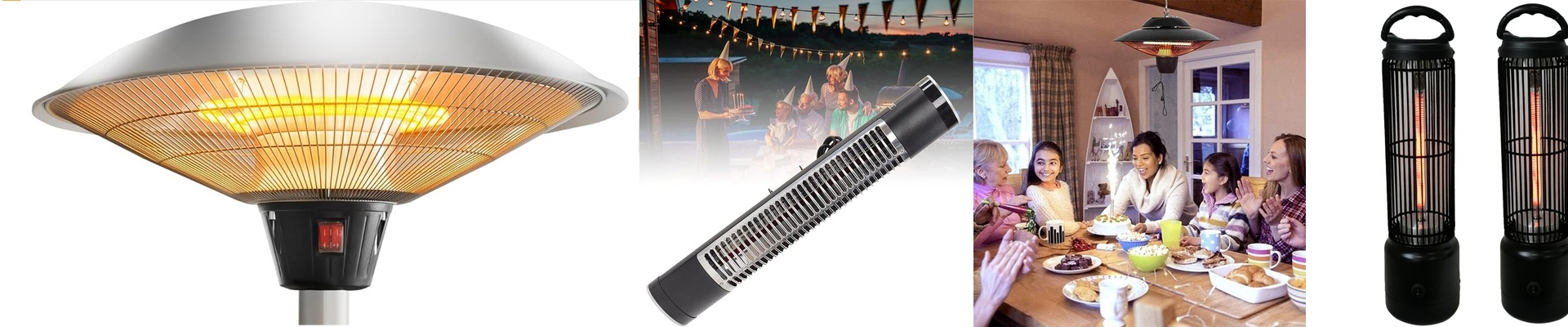
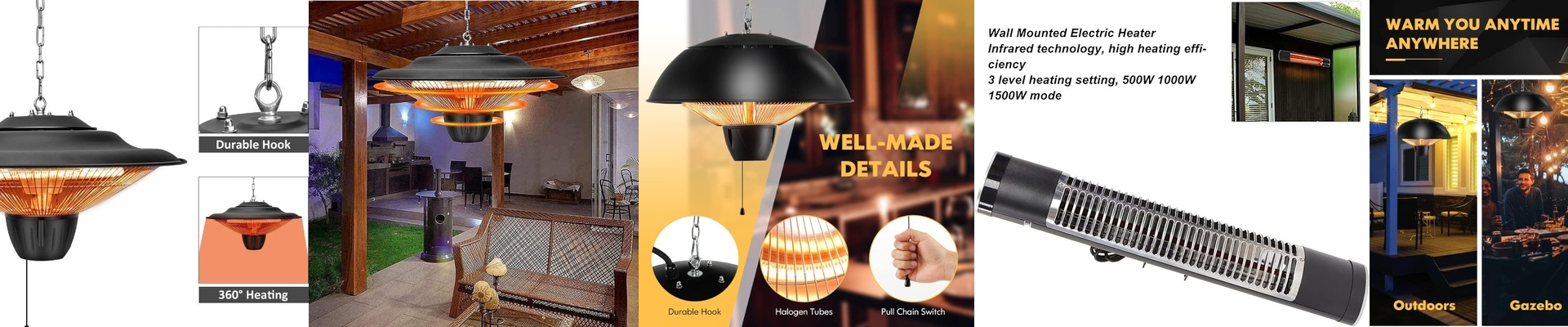
Let’s be honest: empty outdoor tables in the winter are basically just expensive decorations. It’s a waste of space, and it’s a waste of money. Most restaurant owners try to fix this with those old-school forced-air heaters, but there’s a problem. The wind just blows the heat away before it ever reaches your guests. That’s where our IP65 shortwave infrared heaters come in. Instead of trying to warm up the entire outdoors (which is impossible), these units beam heat directly onto your customers. It’s like sitting in the sun on a spring day. The air might be chilly, but your guests feel warm the second they sit down. Built for the real world Now, “IP65” sounds like tech-speak, but here is what it actually means for you: these things are tough. They’re dust-tight and can handle rain, snow, and even the occasional aggressive pressure washing. We sealed the internals so moisture doesn’t fry the circuitry. You can mount them under an awning or leave them exposed to the elements and not spend your whole shift worrying about a storm knocking out the power. How the heat actually works We use shortwave emitters because they’re fast. There’s no “waiting for the area to warm up.” The heat hits the skin and converts to warmth instantly. A quick heads-up on the setup, though. The wattage determines how much ground you cover. Bigger units cover more tables, but they pull more power. Just double-check your breakers before you wire them in—nobody wants the lights to go out right during the dinner rush. More warmth, more orders When people are comfortable, they linger. They stay for that extra glass of wine or a dessert they weren’t planning on ordering. It’s a simple equation: warm guests = higher checks. But you have to get the placement right. Since this heat is directional, it’s all about the angle. Mount them too high, and the heat fades before it hits the table. Mount them too low, and your guests will feel like they’re sitting under a heat lamp at a buffet. Get the spacing right, and you’ve basically just added a permanent extension to your dining room, regardless of what the weather is doing outside.