
Cutting Carbon in the Fab with Shortwave IR
If we’re actually going to hit carbon neutrality in semiconductor manufacturing, we have to stop heating everything just to get one thing hot. Traditional convection heating is a waste. It’s like trying to warm up a single slice of pizza by heating every room in your house. That’s where shortwave infrared (SWIR) comes in. Instead of heating the air, we use targeted radiative energy. It’s a much smarter way to work.
Why the physics actually matter
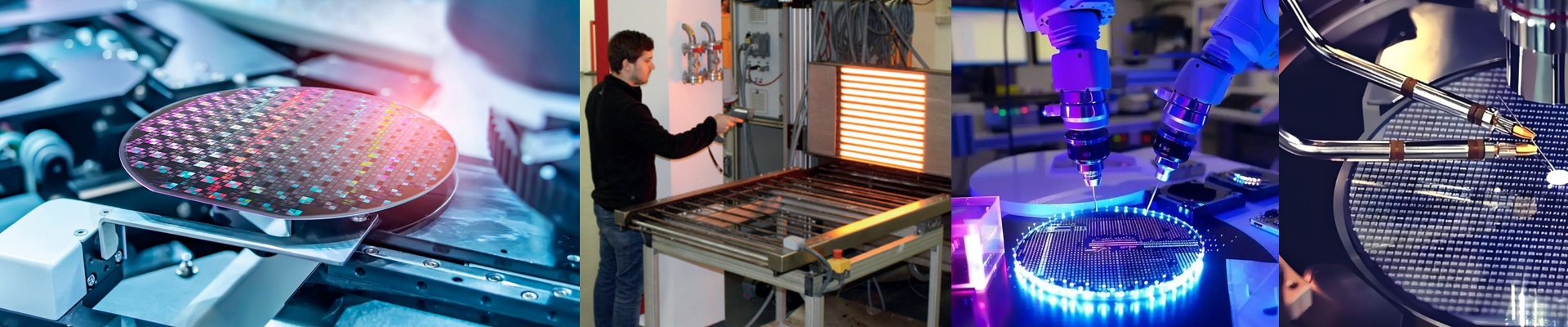
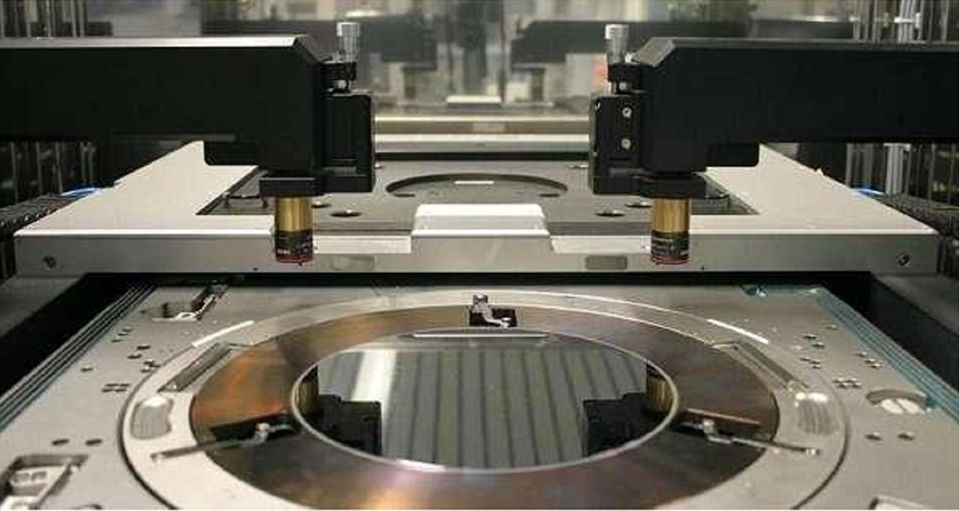
Here is the thing about SWIR: it moves energy via electromagnetic radiation. You aren’t wasting power heating up the tool chassis or the air around it. You’re hitting the wafer directly. By sticking to that 0.7 to 2.5 $\mu$m wavelength range, we basically kill the thermal lag. Your ramp-up times disappear. And since the tool isn’t sitting at high temperatures for nearly as long, your kWh per wafer drops significantly. It’s just leaner.
The gear and the trade-offs
To get the kind of heat flux these apps need, we use high-wattage quartz lamps. These aren’t your average lightbulbs. We use halogen-filled tubes so the filaments don’t just melt under the extreme heat. We pair these with precision controllers to make sure you don’t overshoot your target. But there’s a catch. When you push 2kW+ into a tiny space, things get hot—fast. Your cooling manifolds have to be spot on. If your heat sinks can’t pull that ambient heat away from the electronics, your components are going to fry. It’s a balancing act.
Making the “Green Factory” real
The best part? Switching from old resistive heaters to IR arrays gives you “instant-on” power. No more sitting around wasting energy on long pre-heating cycles. We’ve designed these to be drop-in replacements. You don’t need to rip out your floor or buy new steel infrastructure; they just fit into the footprints you already have. Cutting your carbon footprint isn’t about finding one magic part. It’s about stopping the bleed of energy when the tools are just idling. With SWIR, you can cycle power in milliseconds. You only draw energy exactly when you’re processing. Simple as that.