
Zero waste isn’t a slogan anymore—it’s how the shop floor runs, day in and day out. When the air turns cold and the work has to keep moving, heating isn’t just about comfort. It’s about keeping the job going without creating more scrap for the landfill. A heater that burns out early or wastes power defeats the whole point.
What matters under the hood
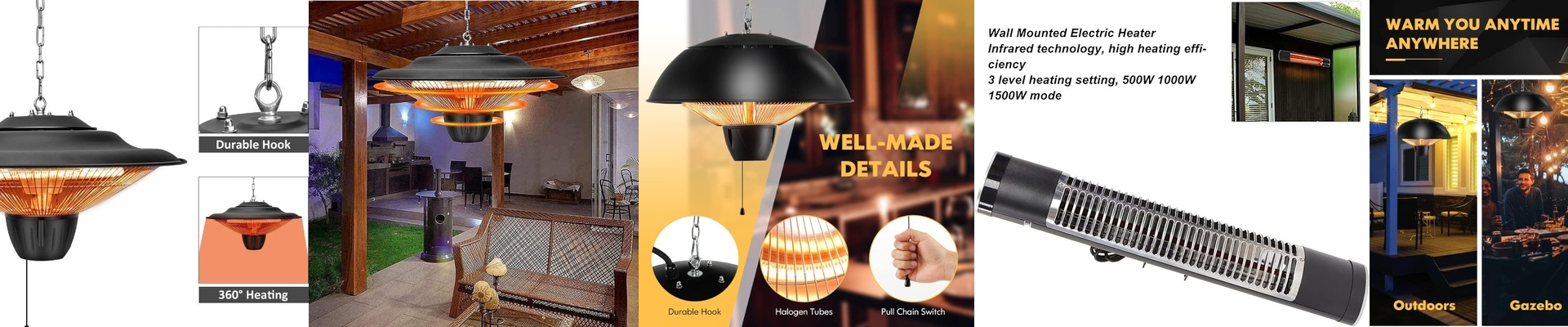
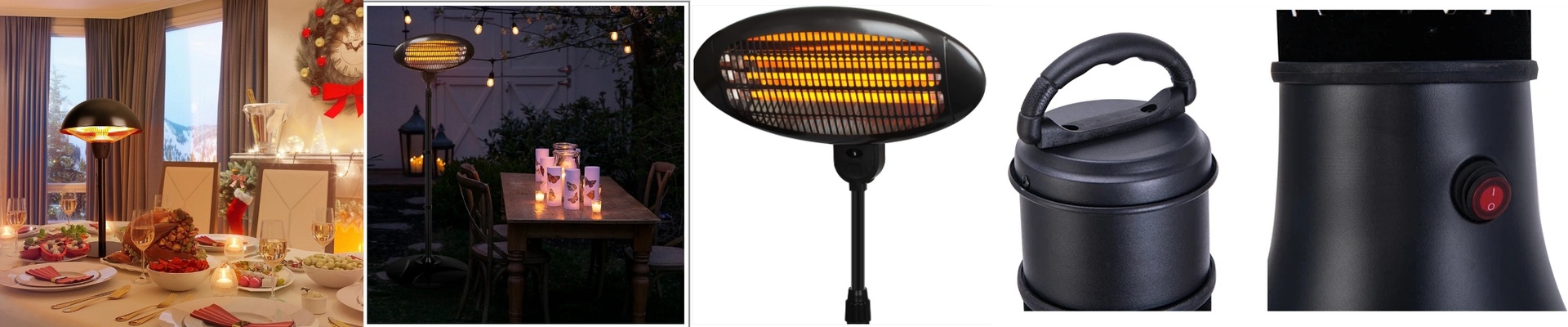
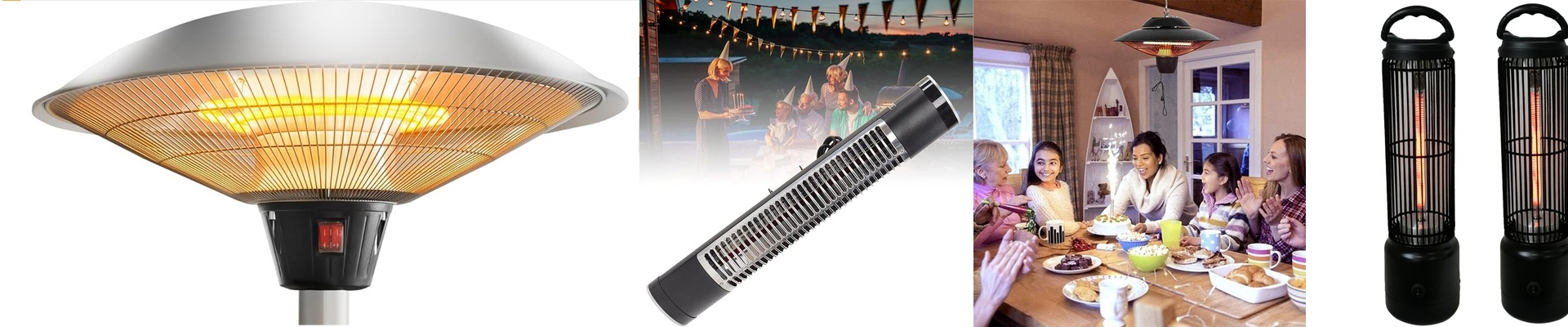
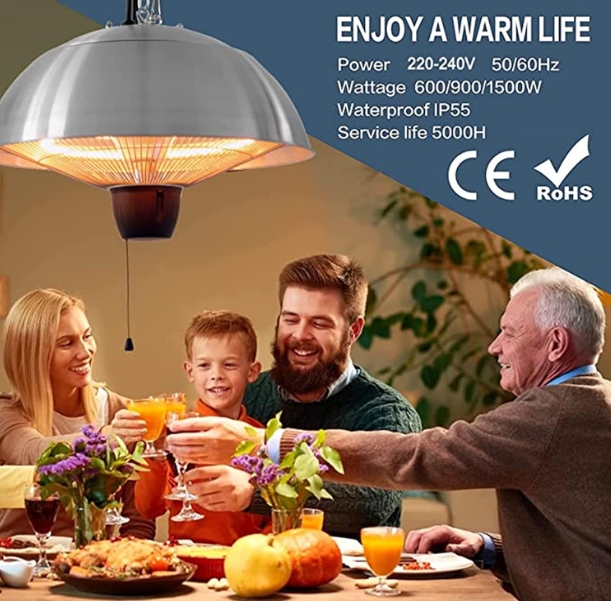
We built this quartz infrared heater around a high-purity quartz tube that protects a precisely wound element. The heat is radiant—it travels in a straight line and warms people and objects directly, not the air around them. That gives you focused, immediate comfort with far less wasted energy. Pick the power that fits the space: 120V or 240V, with 1500W typical for residential areas and up to 3000W for larger workshops. Standard NEMA plugs make hookup straightforward. A built-in thermostat holds a steady temperature, and tip-over protection adds real-world safety. The sealed quartz tube stands up to thermal shock and keeps its integrity through repeated on/off cycles, which means longer service life and fewer replacements.
Why this design fits zero-waste work
Zero-waste goals demand materials you can reclaim and products that simply last. This quartz heater leans on recyclable components and is built for durability, so you get more heating hours per unit and fewer parts tossed aside. Infrared warmth hits the spot the moment it’s turned on—less waiting, steadier workflow, and lower total energy draw over time. Outdoor jobs stay productive. Indoor shops stay drier because you’re not fighting condensation by heating the air. And the heater runs quietly, supporting long sessions without the on-off cycling that wastes power.
The field notes that matter
Quartz infrared works best with a clear line of sight. Face the unit toward the main work area and keep obstacles out of the beam. If you’re running it continuously in damp outdoor spots, check the IP rating and always plug into a GFCI-protected outlet. Clearances matter—keep the heater at least three feet from any combustibles and follow local codes. Windy conditions? A shielded enclosure helps keep the warmth consistent. For big spaces, multiple units placed strategically deliver even, draft-free comfort.