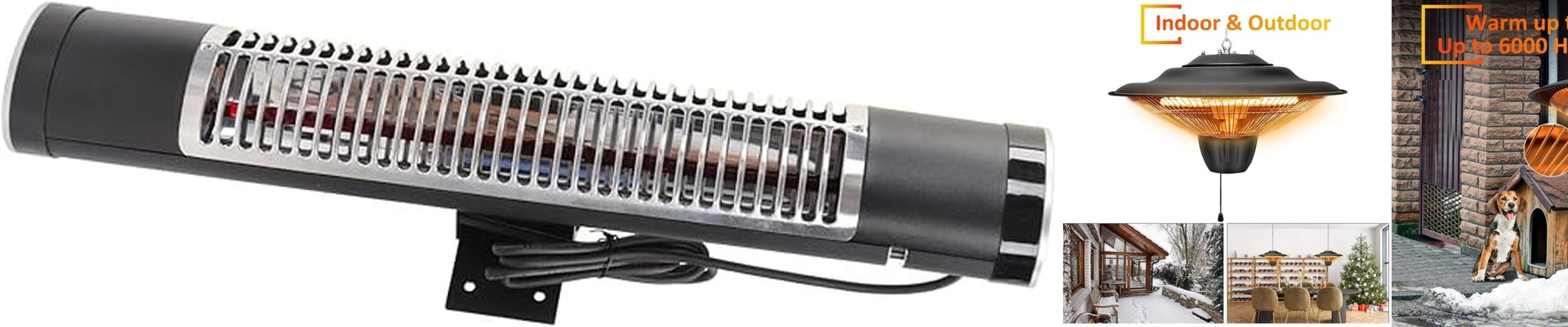
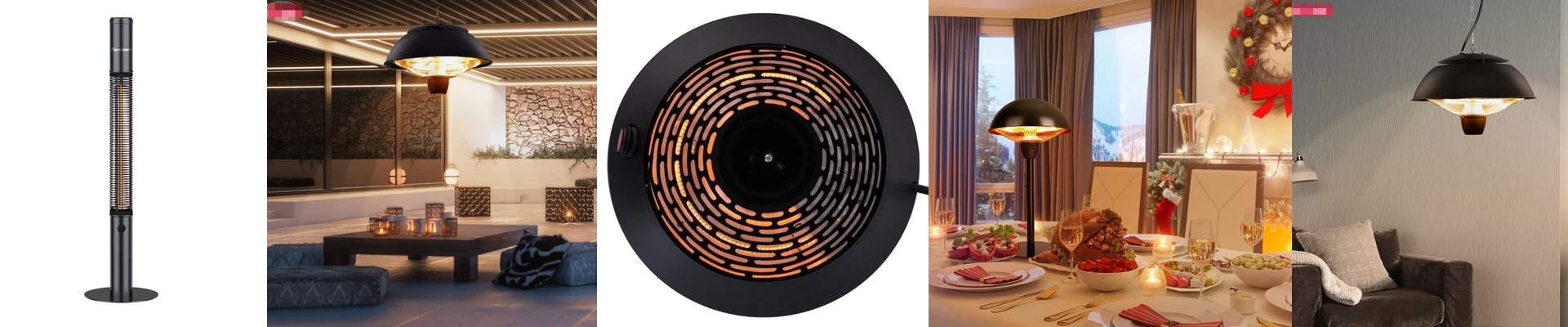
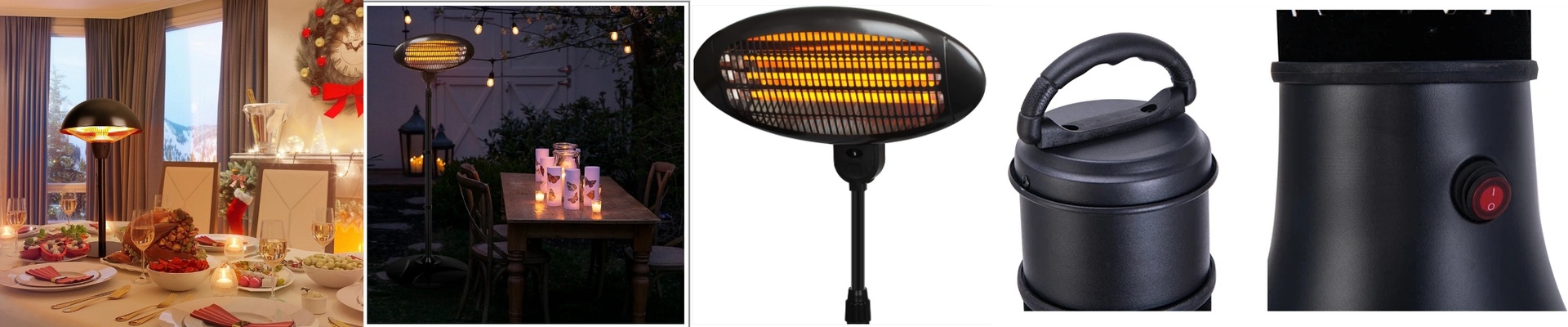
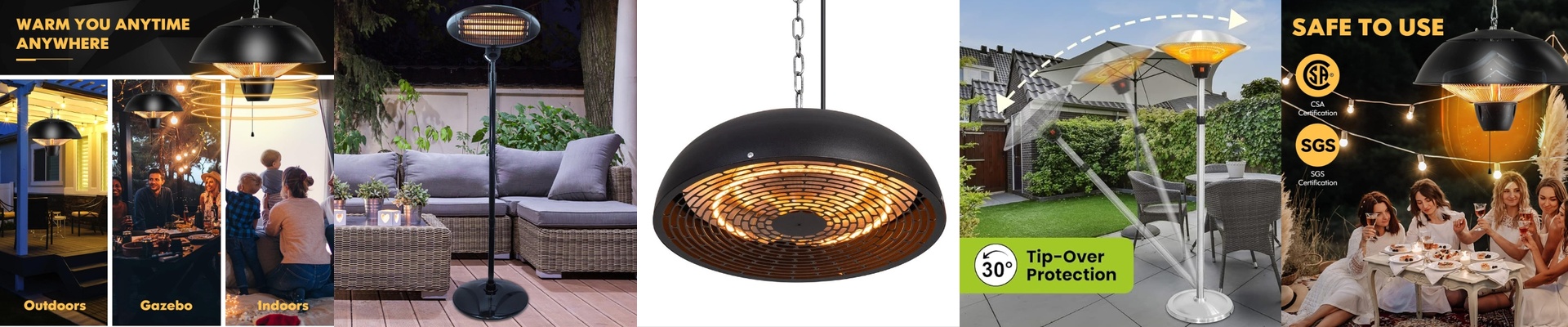
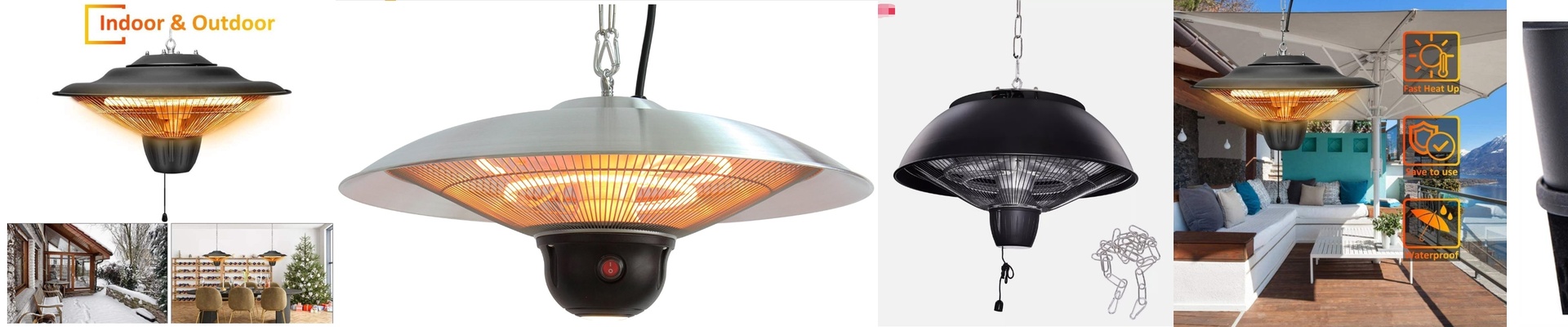
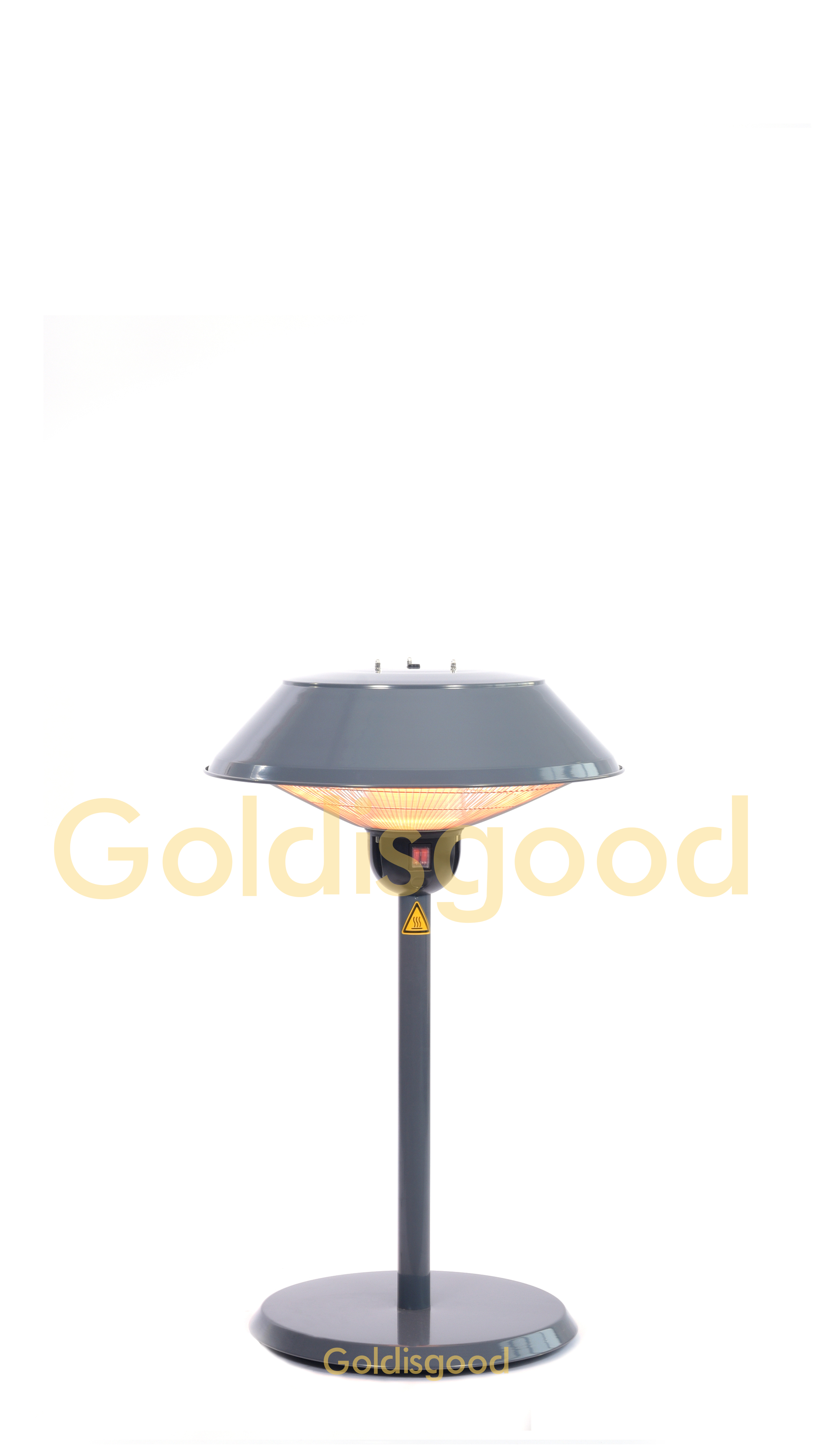
Design sets the stage, but comfort keeps people from heading back inside. The 2026 direction is clear: slim profiles, clean lines, and quiet operation. We build our low-noise electric heaters to hit that mark without leaning on gimmicks. Our R&D team keeps it simple—if the heater is too loud, the whole mood falls apart.
What matters under the hood
We pair a carbon fiber heating element with a balanced, low-RPM fan system. That keeps airflow steady without the rattle you get from sheet metal. The result is a low-noise electric heater that lands around 35–40 dB(A) on a typical patio—about the level of a quiet conversation. For residential outdoor use, output sits in the 1.5–2.0 kW range, with instant-on performance. You get focused radiant warmth—warming people first, the air second. A built-in thermostat makes comfort repeatable, and tip-over protection gives you a practical safety baseline.
Why this works on a real deck
Outdoor evenings live and die on the small stuff. A harsh hum will drown out music and conversation, and that sends guests back inside. We keep the sound profile low while delivering infrared warmth that feels natural—no blast of hot air, no drafts. The payoff is simple: the space stays usable longer, from early fall to late spring, with fewer interruptions and a more consistent, cozy feel.
The practical stuff—what you need to know
This is an electric heater for outdoor use, so it needs a dedicated 120 V outlet and protection from moisture. Look for models rated at least IPX4 for splash resistance. Avoid extension cords—under load they can overheat. Placement matters: aim the heater to create a gentle warmth envelope, and keep clearances clear for airflow and safety.