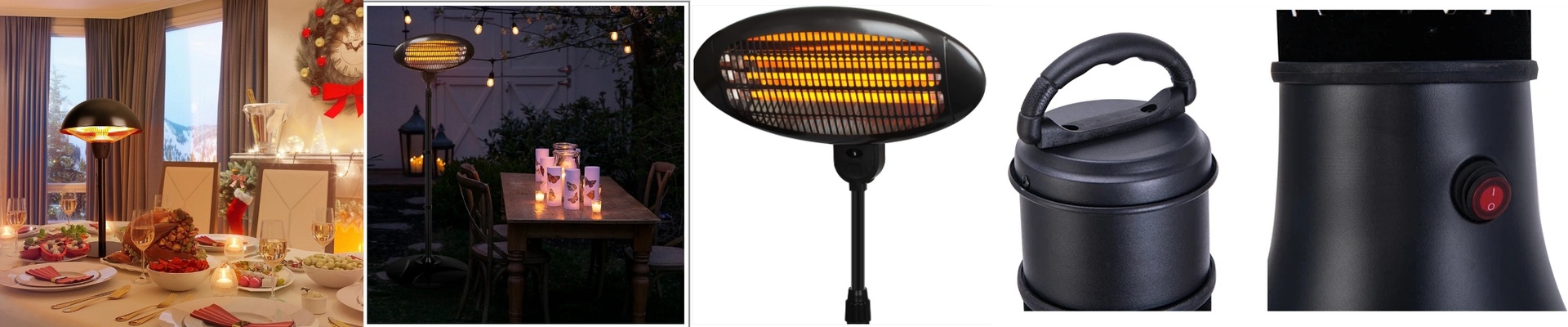
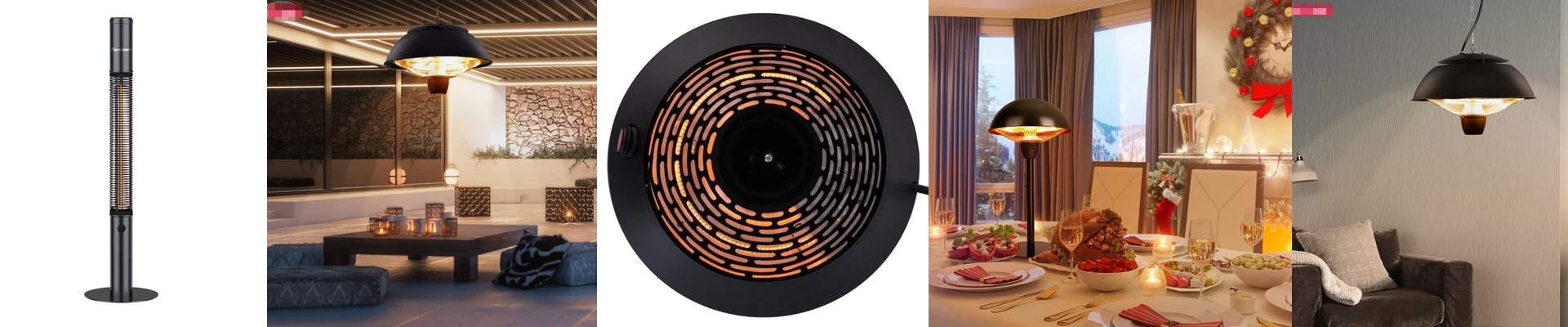


Breathing clean air shouldn’t be a perk you have to pay extra for. In a lot of homes, especially the ones off the main grid, a kerosene stove used to be the go-to for getting through the cold. You got the warmth, sure, but you also got that familiar smell, the soot, and the grit that works its way into everything. Those heaters quietly put particulates and volatile compounds into the air, which shows up as dry eyes and a chest that just feels heavy. Switching to a modern electric infrared heater isn’t just swapping fuel. It changes the whole feel of the room.
What actually matters under the hood
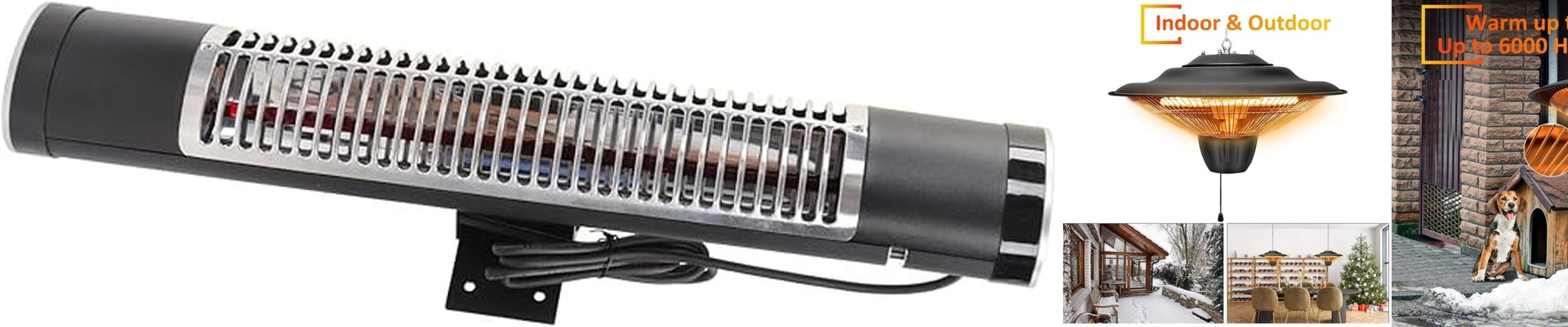
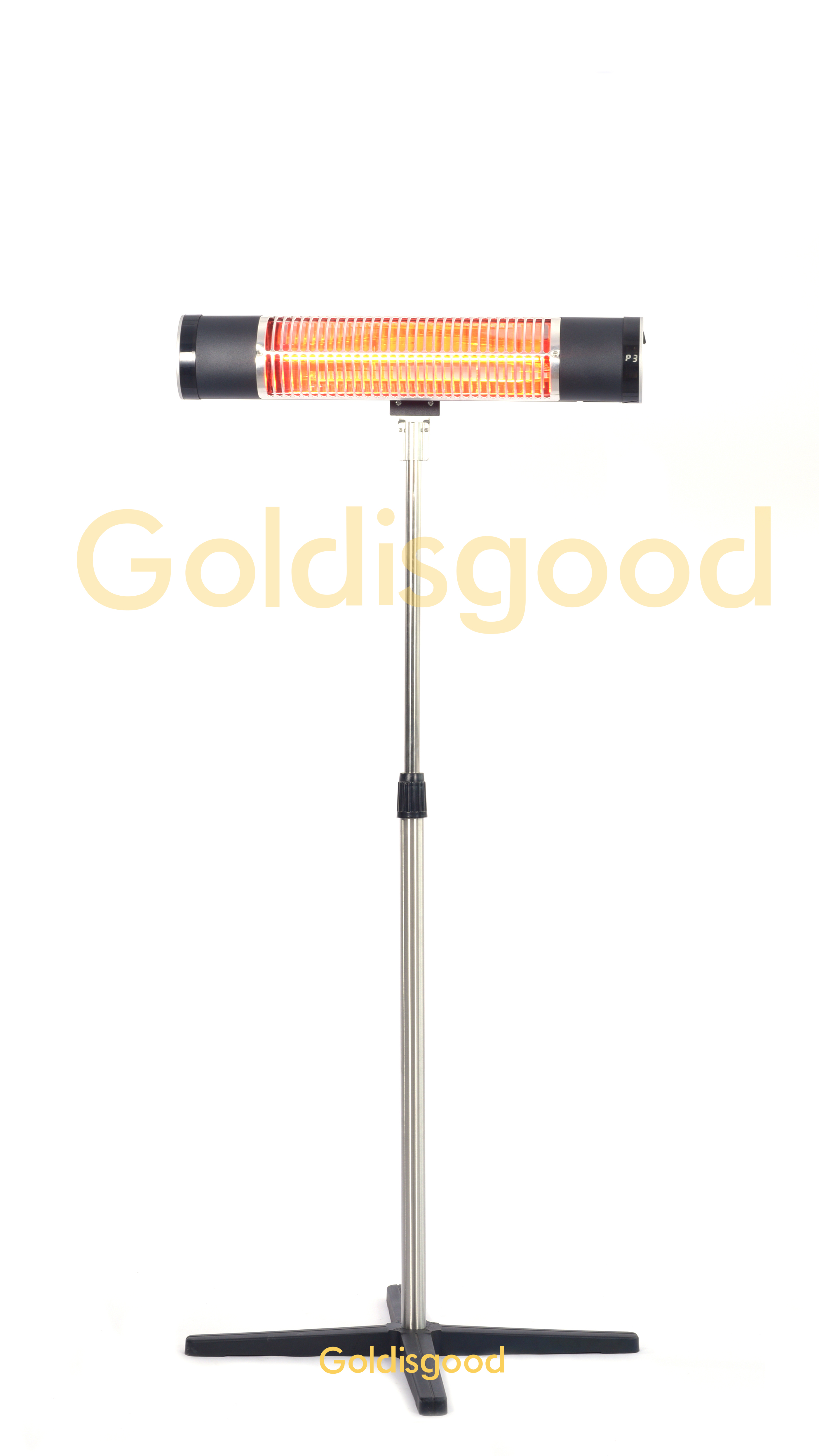
Infrared heaters don’t warm the air first. They warm people and objects directly, which is why the heat hits you the moment you step into the zone. Our units use a carbon fiber element that glows and delivers medium-wave infrared warmth. You get instant heat, no fan noise, and no moving parts to wear out. Specs are what they are: a typical 1.5 kW model runs on standard 120 V, covers about 150–200 sq ft, and stays compact at roughly 24 inches tall. The built-in thermostat keeps the temperature steady, and you’ve got safety covered with tip-over protection and a thermal cutoff.
Why this makes sense in practice
The big win is indoor air quality. Infrared produces no combustion byproducts, so there’s no smoke, no odor, and no need to crack a window just to keep the air safe. You keep the warmth where it matters—on you—while the air stays cleaner and less drying. For families, that means fewer scratchy throats and nights that aren’t interrupted by discomfort. And because it’s radiant heat, you feel the comfort right away, not after waiting for the whole room to slowly come up to temperature.
The details you need to get right
These are indoor heaters, and they need to sit on a level surface, well away from curtains and furniture. Give them a dedicated outlet and don’t run them off a long extension cord. They’re efficient for spot and zone heating, but they aren’t meant to replace a whole-home system in very cold climates.For the right space, you get clean, quiet warmth you can rely on—without the headaches that come with combustion heat.