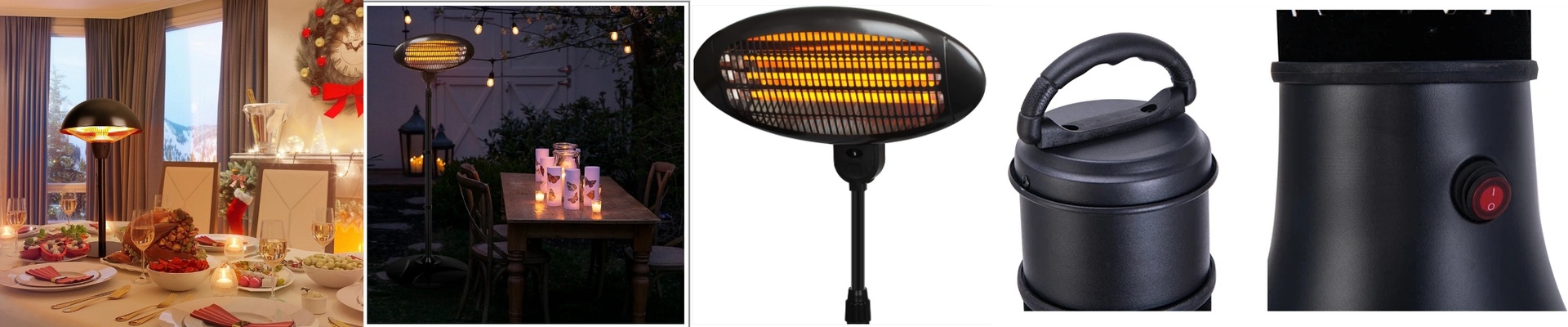
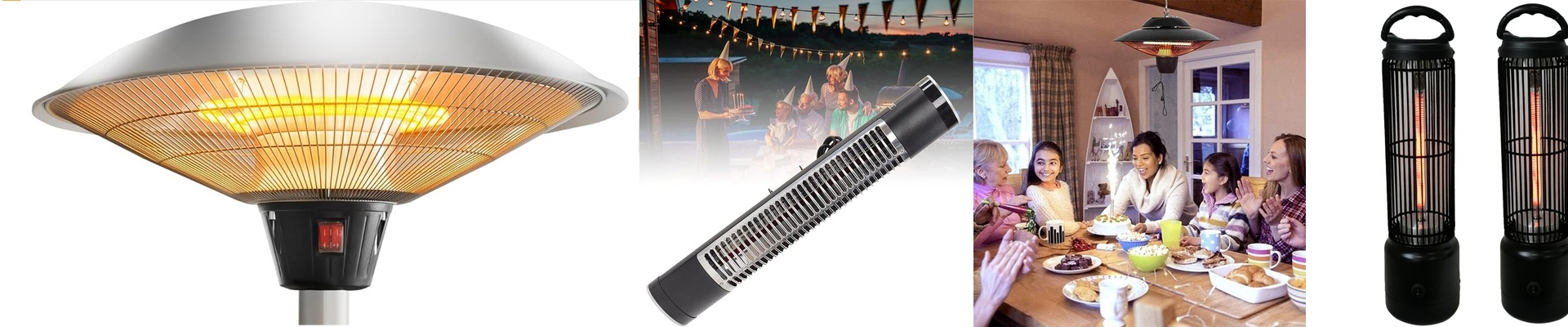
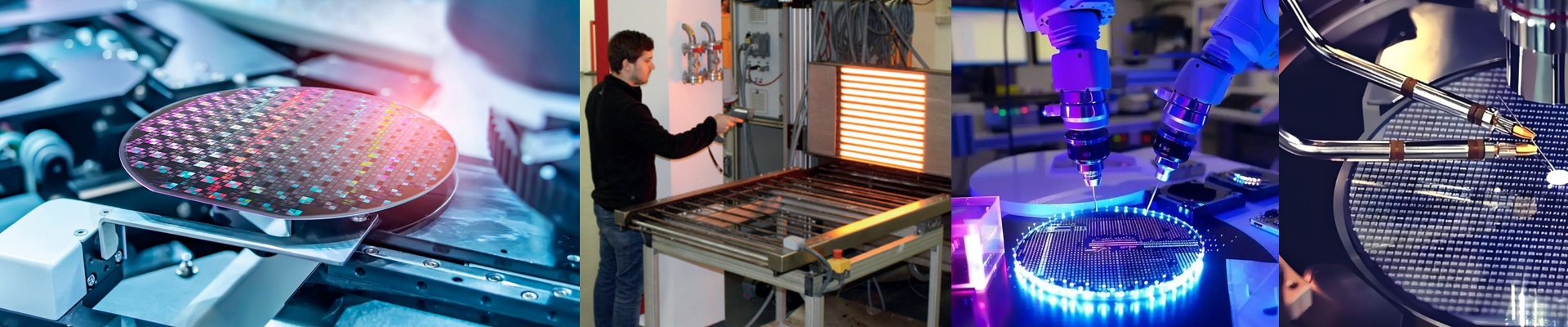
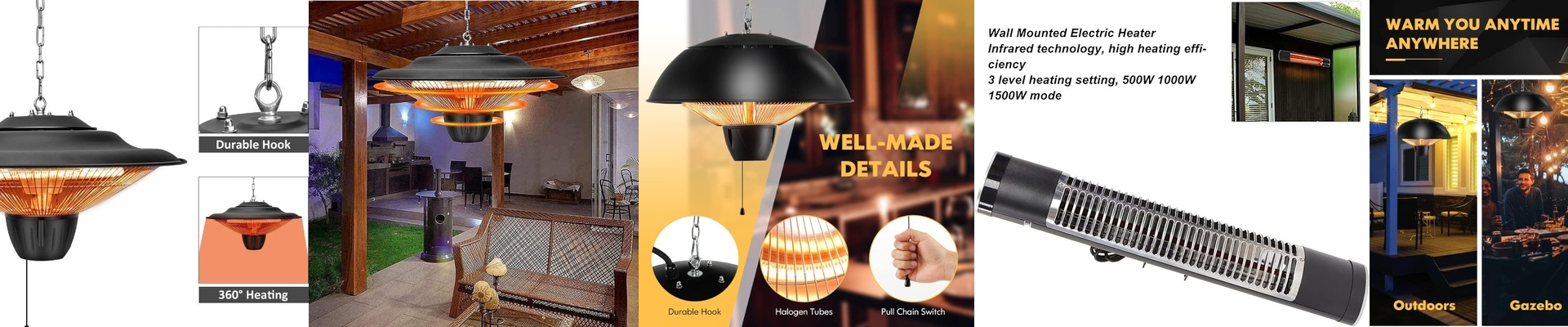
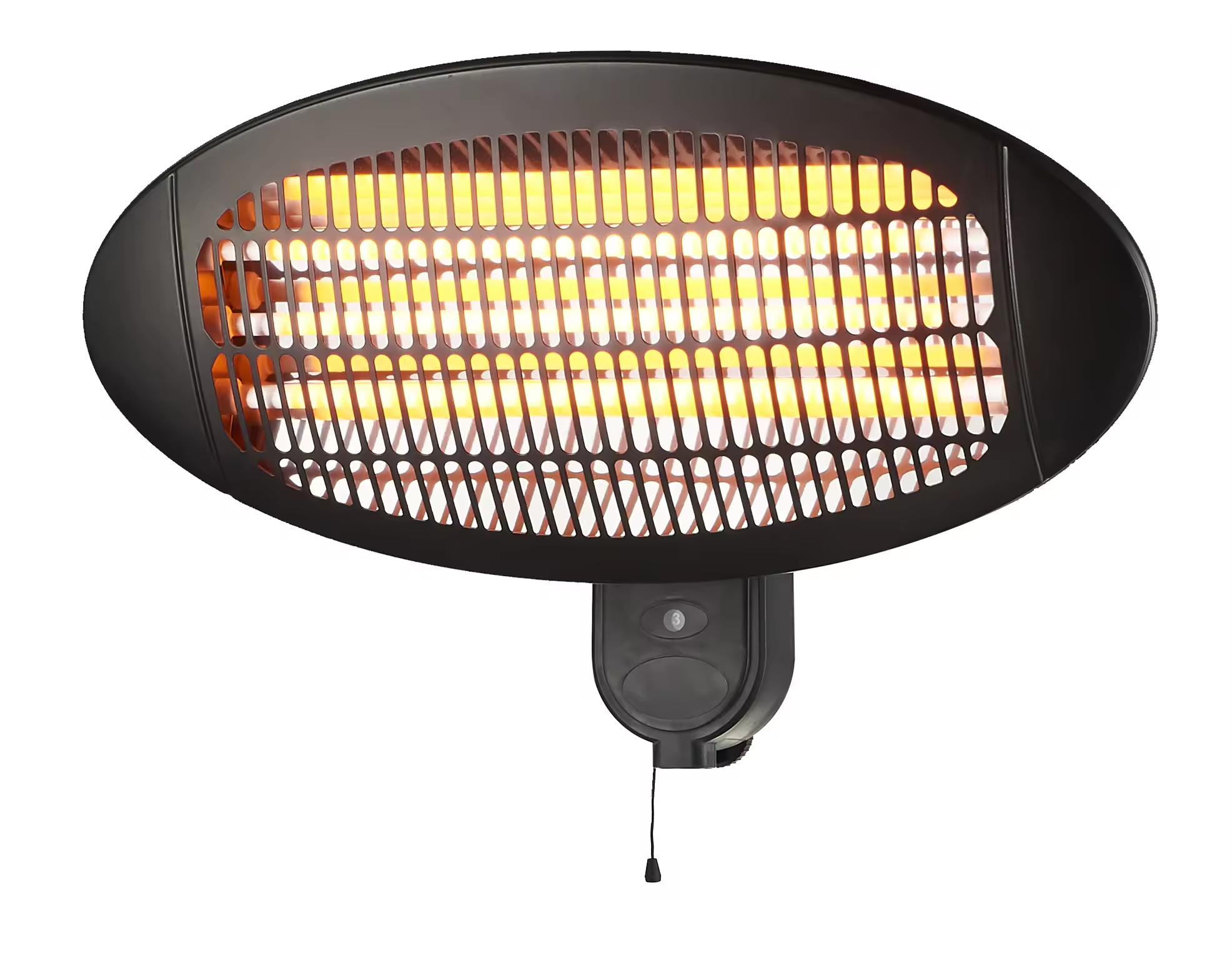
A warehouse is a tough place to keep warm. Heat rises, drafts slip in, and conventional heaters spend all day chasing air that never settles. You end up with hot spots, cold spots, wasted energy, and people who just stay cold. We built our infrared electric heaters to cut through that mess—by putting warmth where it’s needed, right when it’s needed.
What actually matters, technically
Infrared warmth is direct. It heats people, floors, and equipment surfaces—not the entire volume of air. Our heaters deliver a focused radiant profile, so you feel the heat within seconds of stepping into the beam. Each unit includes tip-over protection that cuts power instantly if the heater gets knocked off its base—non-negotiable in a busy workspace. At the heart is a high-efficiency infrared element that turns electricity into usable warmth with minimal waste. Output stays tightly directed, so you get strong coverage in a defined zone instead of heat that sprays everywhere. The upshot: you can size the heater to the task—enough punch for a wide bay, but controlled enough to avoid overshooting.
Why this works in a big warehouse
In a large warehouse, you’re chasing “person-to-heat” comfort, not waiting on some distant thermostat to slowly climb. Put an infrared heater by workstations, loading docks, or maintenance bays, and people feel the difference immediately. Because the warmth is directional, you stop heating empty corners and start heating the people who need it. That focus is what keeps energy use down. You aren’t fighting the whole building—you’re supporting the spots that matter. When hands and feet stay warm, productivity stays up and downtime from discomfort drops. And with tip-over protection, you get real peace of mind, especially around carts, foot traffic, and tight turns.
The practical details you can’t skip
Infrared heat does its best work when placement is thoughtful. Aim the unit to cover the primary work area, and keep the beam at a safe distance from anything flammable. If you need comfort across a full bay, plan on multiple units spaced so their coverage overlaps. These are electric heaters, designed for hardwired installation in commercial settings. A dedicated circuit is often required, so map out the wiring before you mount anything.