

Why we’re ditching old bathroom heat lamps for IPX5 Infrared
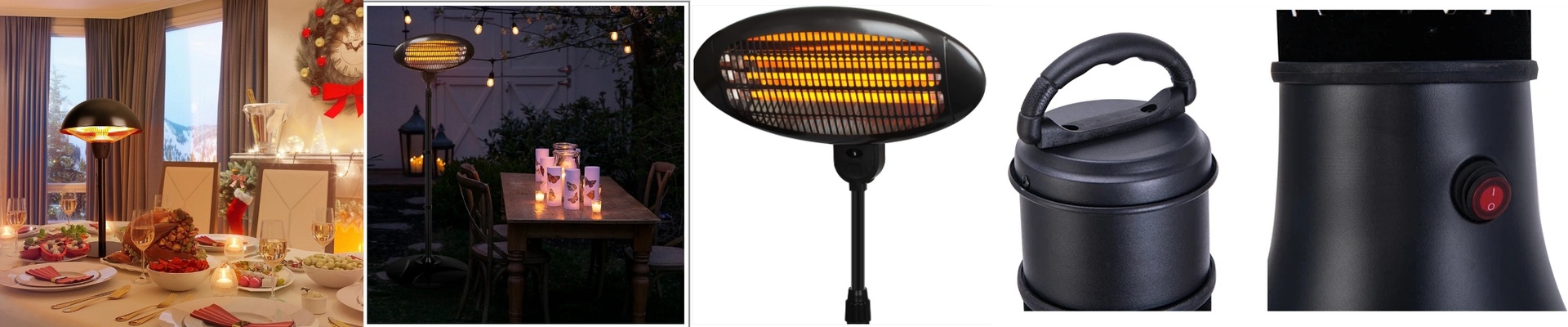
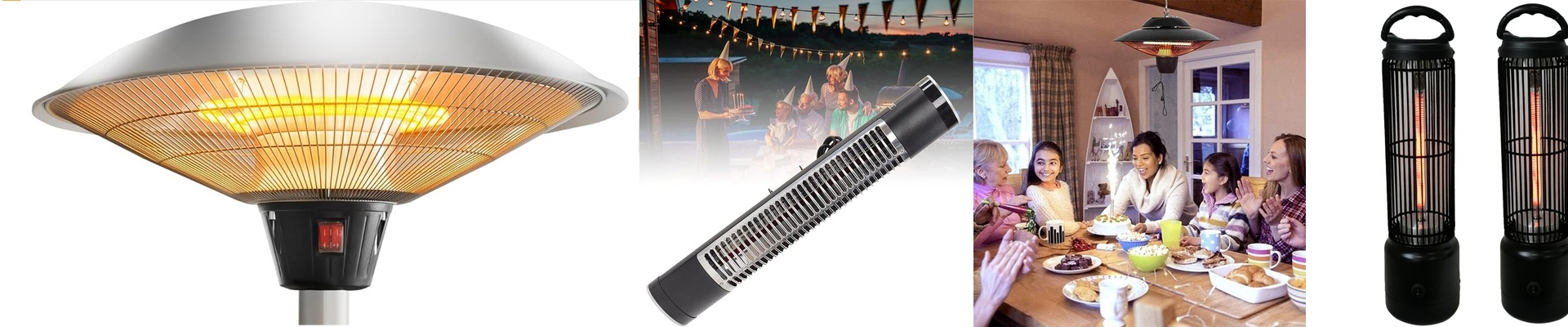
You know those old-school bathroom heat lamps? The ones with the quartz tubes that feel like they might pop if you look at them wrong? They’re a bit of a gamble. Between the steam and the splashes, moisture gets in where it shouldn’t, and before you know it, you’ve got a short circuit or a dead heater. That’s why everyone is moving toward IPX5 infrared heaters. They don’t just “handle” steam; they can actually take a direct spray of water and keep on ticking. What does IPX5 actually mean for you? Basically, it means if you accidentally spray the unit while scrubbing the shower, it’s not going to fry. We make this happen by sealing the electrical joints and using gaskets that actually keep the moisture out. The old heaters usually have exposed wiring or cheap plastic that cracks after a few months of heating up and cooling down. With an IPX5 build, the guts of the machine stay dry, even when things get messy. The “Instant Warmth” Factor Here is the best part: infrared is just different. Standard heaters try to warm up all the air in the room. You’re standing there shivering while the heater struggles to fight the cold tiles. Infrared doesn’t bother with the air. It sends out waves that heat your skin and the surfaces around you directly. It’s immediate. You flip the switch and you feel it. No waiting around. The Engineering Catch Now, it’s not all magic. High-wattage infrared gets hot. Since we’ve sealed the unit to keep water out, that heat can sometimes get trapped inside. If you don’t have the right ventilation or a housing that can move heat away quickly, the internals can burn out. It’s a balancing act. If the housing isn’t built for the specific power of the tube, those waterproof seals will eventually give up. Getting it Installed If you’re swapping these in, don’t cut corners. You need a dedicated GFCI outlet. Water and high-current electricity are a bad mix, so safety is the only thing that matters here. These units usually fit right into the spot where your old lamp was, but you’ve got to be a bit more careful with how you mount them to make sure that waterproof seal actually does its job.