Keeping Your Bathroom Warm Without the Blinding Glare
Putting a heater in a bathroom is a bit of a balancing act. You need it to get hot fast, but you also have to make sure it doesn’t freak out the moment a bit of steam or a splash of water hits it. That’s why we use IP55-rated housings. In plain English? It keeps the dust and water splashes away from the guts of the machine. No short circuits, no premature burnouts, and no worrying every time you take a shower.
Saving Your Eyes (and Your Kids')
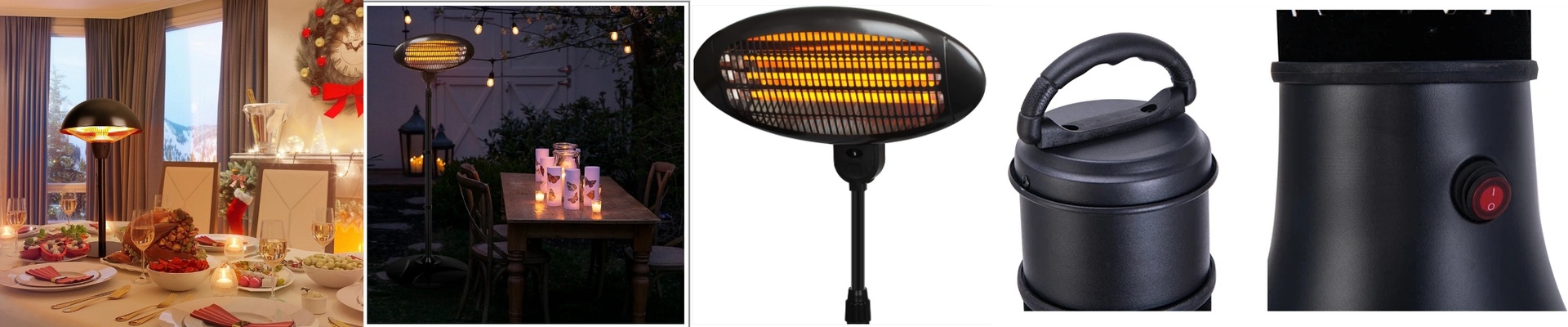
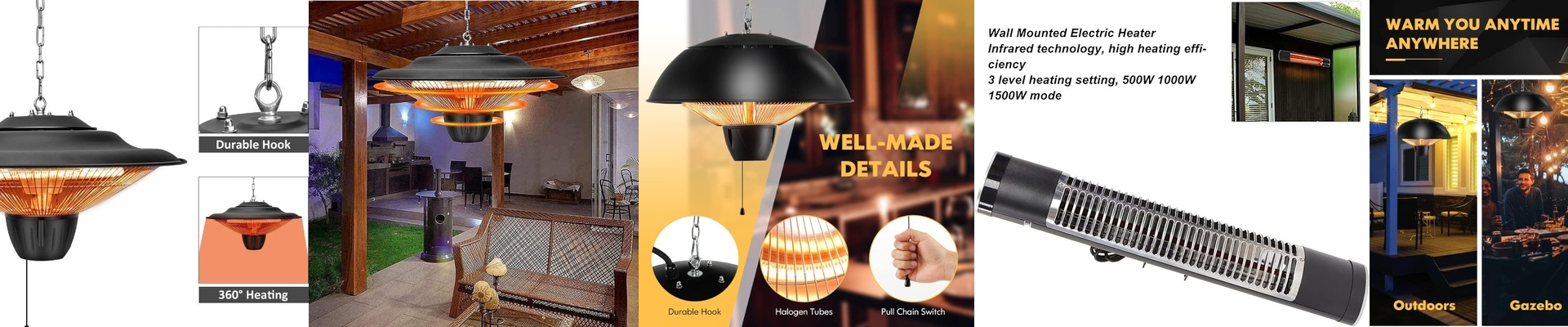
Here is the thing about standard short-wave infrared lamps: they’re bright. Like, “staring-into-the-sun” bright. They pump out a lot of visible light and UV radiation, which is fine for an industrial warehouse, but it’s a nightmare in a bathroom—especially if you have a baby in the tub. We fixed this by using special coatings on the quartz tubes. These coatings act like a filter. They block out that harsh blue light and the UV peaks, pushing the energy into the long-wave infrared range instead. You still get that deep, cozy heat hitting your skin, but you don’t get the blinding white light hitting your retinas. It’s much more relaxing.
Heat vs. Light
Most engineers get stuck trying to figure out how to get maximum heat without making the room look like an operating theater. Usually, high-wattage halogen elements give you great heat, but they’ll strain your eyes. By tuning the spectrum, we managed to keep the heat intensity high while dialing the brightness way down. These units are built for the “on-off-on” rhythm of a bathroom. But a quick tip: those IP55 seals are great, but they aren’t invincible. If you use really harsh chemical cleaners, the gaskets can wear down. Just give them a quick check once a year to make sure they’re still watertight.
Getting It Installed
We designed these to be simple drop-in replacements for your standard ceiling mounts. The wiring is built specifically for damp air, so you don’t have to worry about the terminals corroding over time. One last thing for the installers: if you’re putting these on a high-load circuit, just double-check that your breakers can handle the initial “inrush” of power when the infrared elements kick in. It’ll save you from those annoying nuisance trips.