Why Most Outdoor Heaters Die (And How We Fixed Ours)
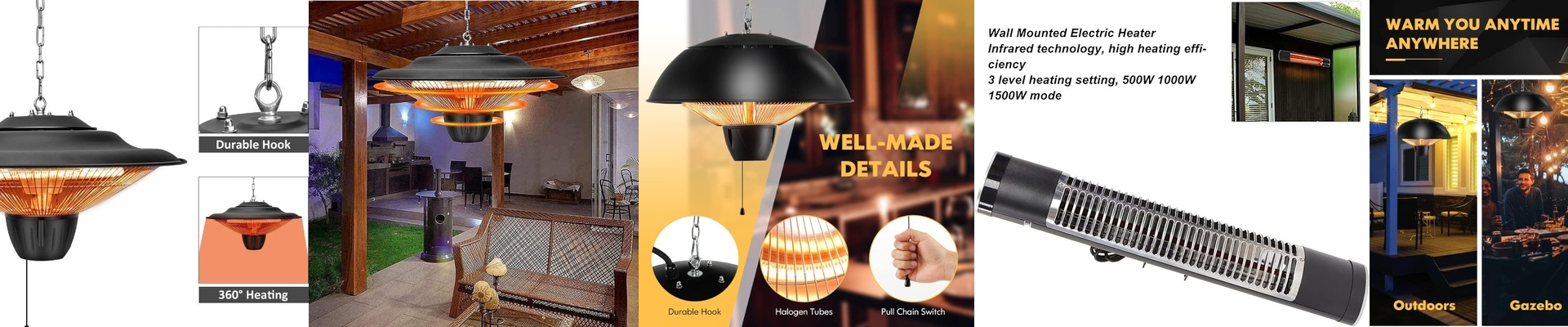
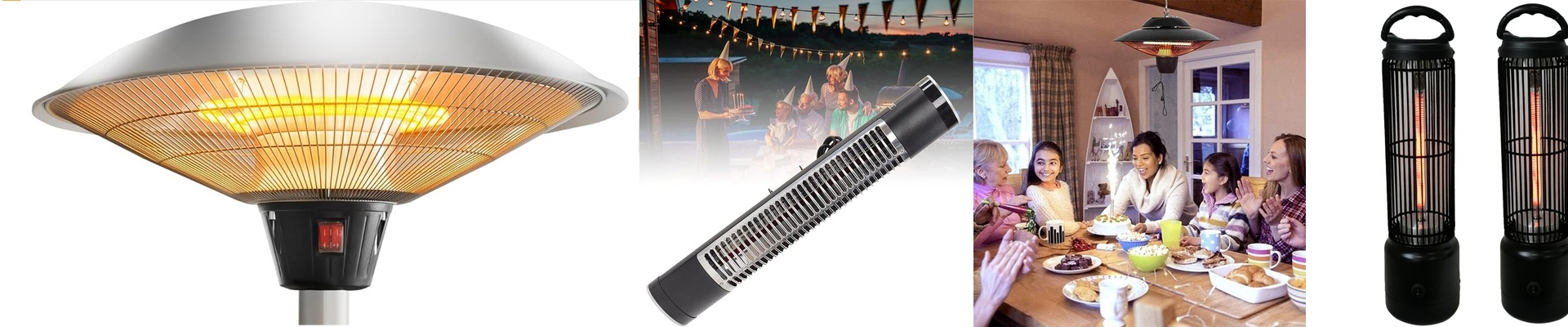
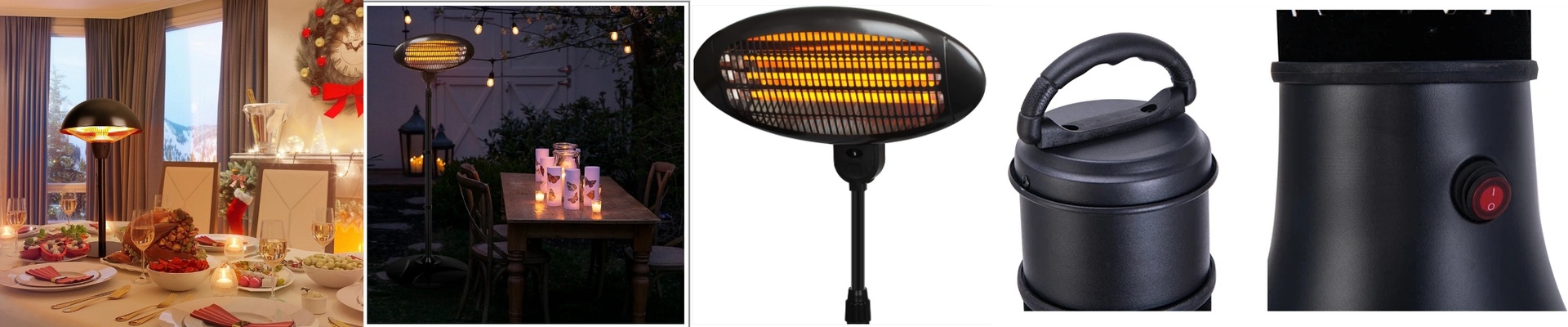
If you’ve ever run a patio or a bar, you know the deal. The outdoors is basically a war zone for electronics. Between the salt air, the sudden downpours, and the wild temperature swings, most infrared lamps just can’t hack it. They burn out way too fast. We got tired of seeing that happen, so we changed how we build our heaters. Keeping the water out The biggest problem is usually right where the heating element meets the housing. If water sneaks into those electrical terminals, you’re looking at a short circuit or some nasty corrosion. Not a great way to start a shift. We use high-temp silicone gaskets and precision-molded casings to seal everything up tight. It means whether it’s a heavy rainstorm or someone getting a bit over-enthusiastic with a pressure washer during cleaning, the guts of the heater stay bone-dry. The battle against fog Then there’s condensation. It’s a sneaky problem. When a scorching hot lamp hits cold, damp air, you get fog on the shields. But here’s the real issue: that moisture creates “hot spots” on the quartz glass. Those spots put a ton of stress on the material, and eventually, the glass just snaps. To stop that, we added specialized coatings and designed specific airflow paths to push the moisture away. No fog, no cracks, just steady heat. The honest trade-off I’ll be straight with you—adding all this protection adds a bit of bulk. Because of the shielding, these heaters take a few extra seconds to hit their peak temperature compared to a cheap, open-air element. But honestly? It’s a trade you want to make. You lose a couple of seconds of “instant-on” speed, but you gain a heater that actually lasts. We built these to take a beating in high-traffic spots. We focused on the seals and the shielding so you don’t have to spend your weekends replacing burnt-out lamps. You wire it up once, and you can pretty much forget about it.