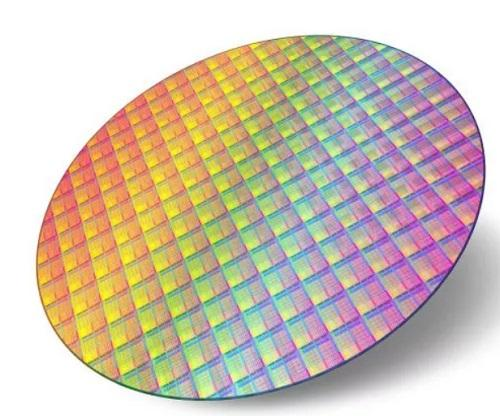
Getting MEMS Wafer Drying Right with Radiant Heat
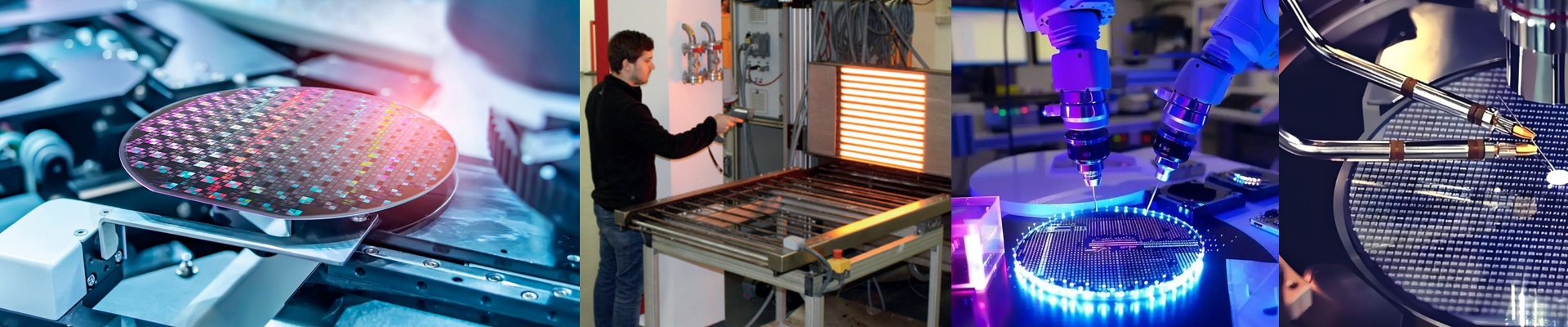
Drying MEMS sensor wafers is a bit of a tightrope walk. You need enough heat to get the moisture out, but if you overdo it, you’ll wreck those tiny, delicate micro-structures. That’s why we use gold-coated reflectors. It sounds fancy, but the goal is simple: make sure the infrared heat actually hits the wafer instead of just warming up the inside of your machine. Why gold? Most people start with aluminum reflectors, but there’s a catch. Aluminum absorbs and scatters a lot of that energy. It’s wasteful. We switch to a high-purity gold coating because gold is just better at bouncing infrared light. Instead of letting the heat bleed away into the chassis, the gold layer kicks those photons straight back toward the wafer. The result? You get more heat on the part without having to crank up the wattage. Packing a punch in a small space When you’re picking out these heaters, you’re really looking for energy density. You want a lot of power in a tiny footprint. By focusing the radiation, we can hit the target drying temperature using way less power. It means your ramp-up is faster, and your cycle times per wafer drop. It just moves quicker. The trade-off Now, there is a catch. When you focus heat this intensely, the lamp electrodes and the housing take a hit. If you try to cheat the system by pushing the wattage too high to speed things up, you’re asking for trouble. You’ll likely burn out the filaments or warp the reflector if your cooling airflow isn’t dialed in. You’ve got to find that sweet spot between how much heat you’re reflecting and how much your system can actually vent. Setting it up These units are designed to be drop-in replacements for your standard IR modules, so they aren’t a headache to install. The biggest thing to watch for is alignment. The lamp axis and the gold-coated curve have to line up perfectly. If the lamp is even slightly off-center, you lose your focal point and your drying becomes uneven. One last tip: plug it into a stable power supply. Voltage spikes are killer and will eat through your lamp life way faster than they should.