


Cutting Carbon in Semiconductor Gloveboxes with IR Heating
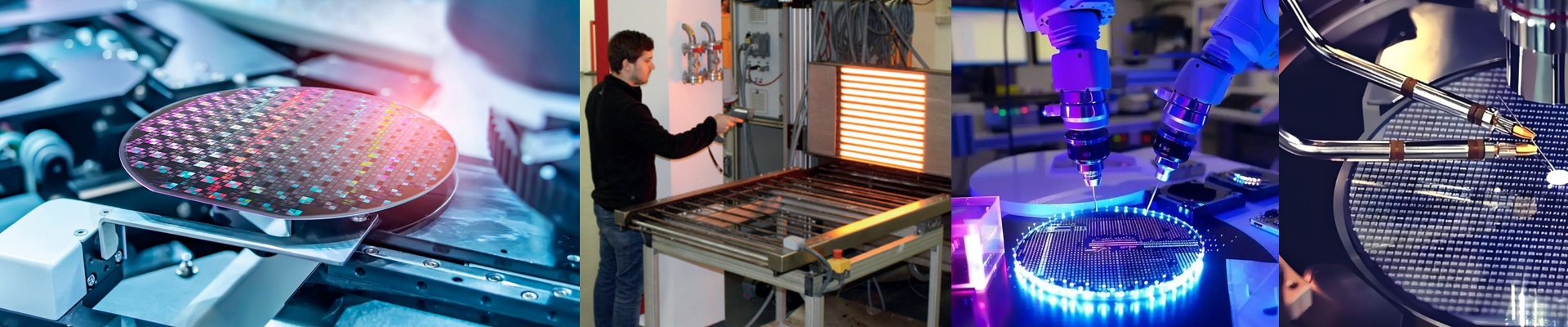
Let’s be honest: heating up a glovebox for semiconductor work is usually a waste of energy. Most setups use resistive heating, which basically means you’re trying to warm up the entire enclosure just to get your workpiece to the right temperature. It’s inefficient. We’ve found a better way. By using short-wave infrared (IR) heating elements, we can point the heat exactly where it needs to go. Instead of fighting the air, you’re targeting the part. The power side of things When you’re working in a vacuum or an inert atmosphere, you need to get up to temperature fast. That’s where high power density comes in. Because IR transfers heat through radiation rather than convection, you aren’t spending kilowatts of power just to heat up the argon or nitrogen gas filling the box. It’s a direct hit. You get your soak times down, and you’ll see the difference on your energy bill almost immediately. What goes into the build Contamination is the enemy here. One little slip and the whole batch is ruined. That’s why we stick to high-purity quartz envelopes and tungsten filaments. Quartz is great because it doesn’t outgas when things get hot. We also use specific coatings to make sure the heat actually sinks into the material instead of just bouncing off the surface. And since space is always tight in these boxes, we use standardized connectors. It keeps the electrical fit snug and stops those annoying arcs from happening. The reality check Switching to IR is a win for the planet and your cleanroom. It takes a huge load off your HVAC and chilling systems. But it isn’t a “plug and play” miracle. High-intensity IR creates some serious localized heat. If you get lazy with the mounting brackets or the shielding, you’re looking at warped frames or blown seals. You also can’t just flip a switch and walk away; you need a precise PID controller. Without a tight feedback loop, it’s way too easy to burn out a filament or fry your substrate.