

Keeping Your Heater Wiring from Blowing Up
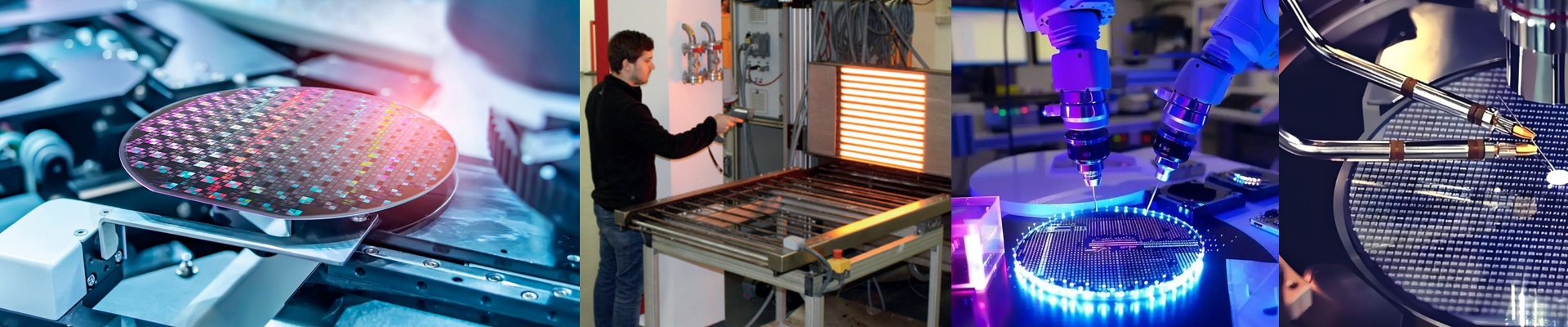
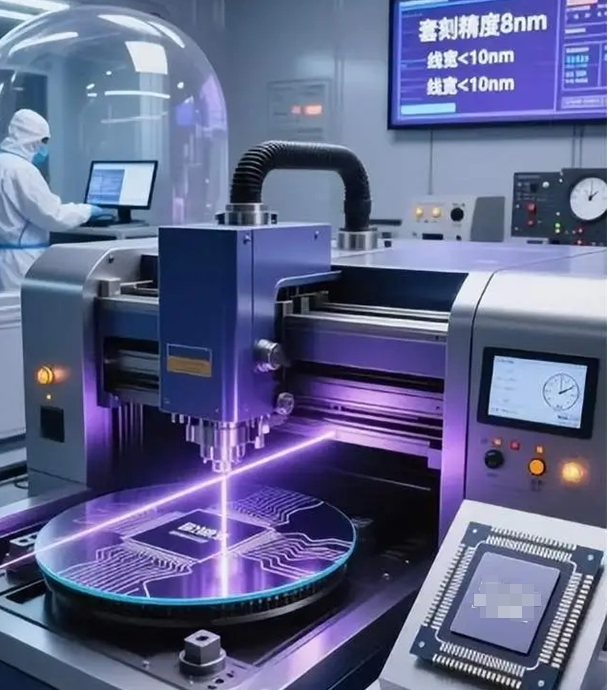
Semiconductor tools are brutal. They run hot, they’re precise, and they don’t leave any room for error. That’s why we use Teflon (PTFE) coated wiring. It doesn’t melt or give off weird gases when things get scorching, which is exactly what you want. But here’s the thing: the material itself is only half the battle. Imagine a single, tiny pinhole in the insulation. You wouldn’t even see it with the naked eye. But that one little gap? It can cause a short circuit that wipes out a million-dollar batch of wafers in an instant. That’s a nightmare nobody wants to deal with.
Why we test every single inch
We don’t do “sample checks” here. We don’t just test one wire out of a hundred and hope for the best. Every single wire we make goes through a full voltage withstand and insulation resistance test before it ever leaves our floor. We basically stress-test the Teflon jacket with high voltage to make sure it’s solid. If there’s a microscopic void or a thin spot from the way the wire was extruded, the voltage will arc right through it. We’d rather find that failure here in our shop than have you find it inside your machine. It’s the only way to be sure the current stays where it belongs and doesn’t leak into the chassis.
The tricky part about Teflon
Teflon is the gold standard for a reason. PVC or Silicone would just burn up in these environments. But, if you’ve ever worked with it, you know PTFE is a pain to strip and terminate. It’s stubborn. If your techs get a bit too aggressive and nick the conductor during installation, all that factory testing we did doesn’t mean a thing. Do yourself a favor: use precision stripping tools. It takes a second longer, but it keeps the jacket intact.
Plugging it all in
When you’re wiring these into a heater, you’re dealing with some seriously intense heat density. Our insulation keeps things safe and prevents phase-to-phase shorts, even when your cable trays are cramped and messy. Just a heads-up: the wire can handle the heat, but your connectors have to keep up. If the connector melts, the best insulation in the world won’t save the circuit. We build the wires to survive the fire. Just make sure your terminations are tight and your connectors are rated for the job.