Stop Fighting Your High-Ceiling Heaters
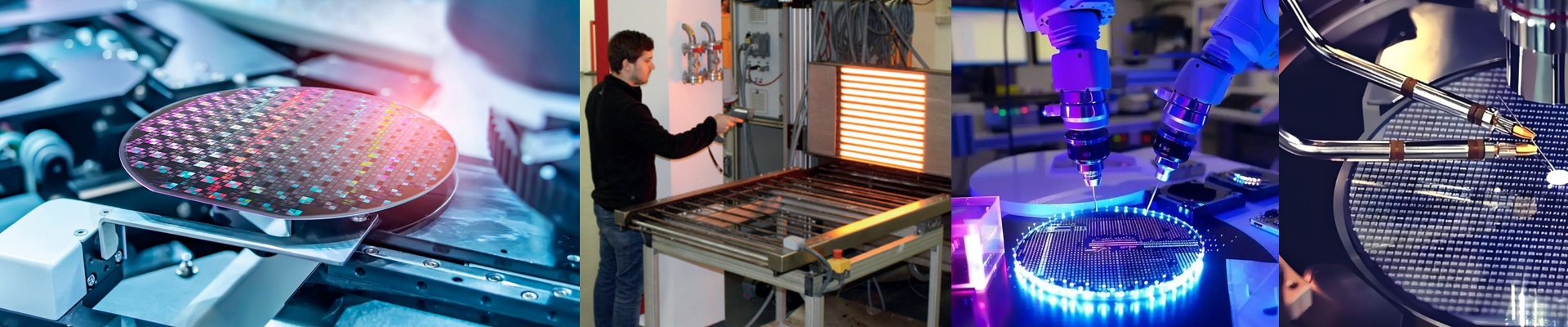
Let’s be honest: putting infrared heaters 10 meters up in a factory ceiling is a great idea until something actually breaks. When a heating element burns out five years down the line, you’re facing a nightmare. You don’t want to spend your entire Tuesday rigging up a massive lift just to tear down a whole fixture and rewire it from scratch. It’s a waste of time and a total headache. That’s exactly why we built our system to be modular. The “Slide and Swap” Approach Most industrial radiators are basically one giant, solid hunk of metal. If one tube goes, the whole thing usually has to come down. We did it differently. We used a chassis. Instead of a demolition project, you just slide out the dead element and drop in a new one. You don’t have to mess with the main power feed or worry about knocking the reflector out of alignment. It turns a grueling, all-day job into a quick swap. Built for the Grime These things are meant for the real world. We’re talking factory vibrations, thick dust, and constant use. By separating the heating element from the structural frame, we stopped the heat from warping the metal over time. It means your heat pattern stays consistent, year after year, even after a thousand heat-up and cool-down cycles. The Trade-off Now, there is one catch. Because of the slide-in rails and quick-connect terminals, these units are a bit bigger than the integrated ones. You lose a few centimeters of space. But honestly? That’s a tiny price to pay for the hours of sanity you save during maintenance. A Quick Word of Advice Here’s the thing: this only works if you stick to the specs. It’s tempting to grab a cheap, generic tube from a random supplier, but don’t. You risk overloading your circuit or creating dangerous hot spots. Stick to the original wattage and voltage. We kept the wiring dead simple, so as long as you use the right parts, you can get the floor back to temperature in minutes and get back to work.