Ceramic End Cap IR Emitters: Cutting Time Costs in Semiconductor Deep Processing
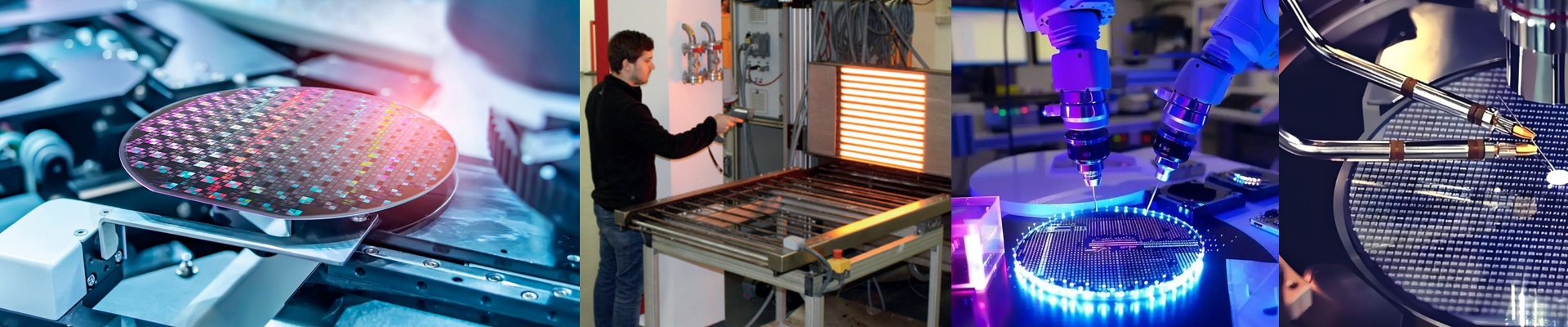
We built this ceramic end cap IR emitter for one clear reason: to replace hot air circulation in semiconductor deep processing and slash the time you spend waiting around. Here’s the difference. With hot air, you’re heating the air first, then waiting for that heat to reach the substrate. With infrared, the energy hits the target directly. That direct hit means faster cycle times. Period.
Technical Deep-Dive: Power, Voltage, and Dimensions
We packed this emitter with serious power. It runs on a 400V input and delivers 2500W of concentrated energy across a 300mm tube. Why 400V? It lowers the current draw, which keeps wiring and contactors simpler. But that power does mean you need a robust electrical interface. And the 300mm length? That gives you a focused heat zone. You get the intensity you need without blowing up the machine footprint.
Material & Design: Halogen, Coating, and Connectors
Inside, you’ve got a halogen shortwave element inside a quartz tube. It responds fast. Then we wrap it in a ceramic end cap that handles thermal shock without cracking. That same ceramic interface keeps electrical connections stable, even when things heat up and cool down over and over. The tube also has a specialized coating to focus the infrared spectrum and keep emissivity consistent. For termination, we went with an R7s connector. It’s industrial-grade, proven, and makes the lamp a straightforward drop-in replacement.
Application & Benefits: Semiconductor Deep Processing
In semiconductor deep processing, the time it takes to heat is one of those bottlenecks that quietly eats away at your day. With this emitter, you’re heating wafers and substrates directly. No more warming the whole room first. Start-up is quick. Temperature ramps are immediate. And the ceramic end cap keeps things reliable even when the environment is rough. Now, here’s the trade-off: that 2500W output creates serious heat density. So your machine’s cooling system needs to be properly set up to handle the temperature rise. The upside? Fewer maintenance stops. More uptime. And a line that just keeps moving.