


Why we’re ditching hot air for IR in biosensor fab
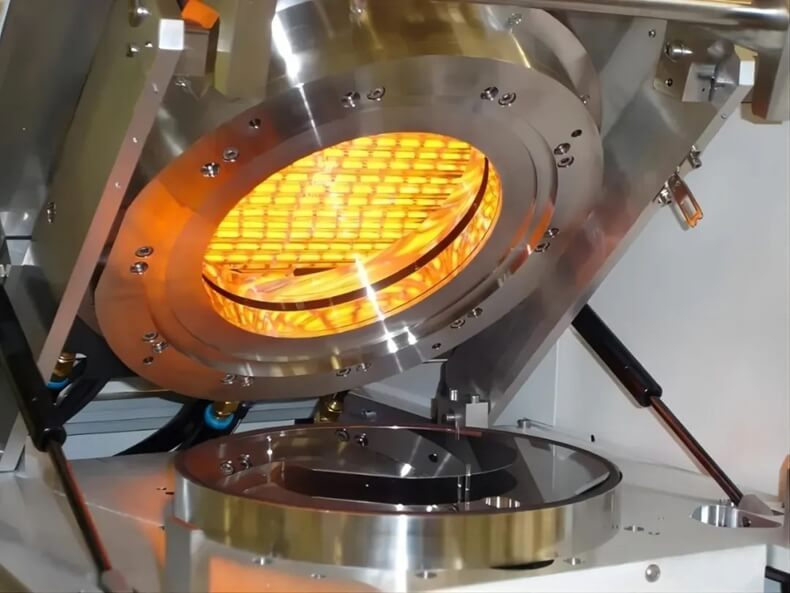
When you’re fabricating biosensors, getting those thin films cured and dried is where things usually get sticky. Most of the old-school lines still rely on hot air. But let’s be honest: convection is slow. It’s a drag on the whole process. Here is the real problem with hot air. You have to heat the air, then the chamber, and then finally the substrate. It’s like trying to warm up a house by heating the driveway first. That lag is just wasted time you can’t get back. IR lamps change the math. Instead of warming up the room, they shoot electromagnetic radiation straight at the target. No middleman. The energy hits instantly, and you hit your target temperature way faster. We’re talking about cutting your cycle times by 30% to 60%, depending on how thick your substrate is. It’s the difference between a sledgehammer and a scalpel. With hot air, you’re just baking everything in the box. With IR, we can zone the heat. You can hit the active area of the biosensor exactly where it needs it without warping the carrier wafer. It gives you a level of control that just isn’t there with a fan and a heater. But look, it isn’t just a “plug it in and forget it” situation. High-intensity IR lamps put out a ton of heat. If you don’t get your cooling fans or water-jackets dialed in, you’ll end up frying your sensors or melting your sockets. Plus, you have to make sure the lamp’s spectrum actually matches the absorption band of your specific bio-polymer, or you’re just wasting electricity. If your production is bottlenecked at the drying stage, the hot air is likely the culprit. Switching to IR lets you shrink the footprint of your curing oven because you don’t need those miles of conveyor belts just to give the parts enough time to dry. You get more parts out the door every hour. For anyone trying to scale up biosensor production, it’s pretty much the only way to go.